Please join #LCSM Chat 10/22 at 8PM ET for “Sharing Your Story: Talking Points for #LungCancer Advocates”

Oct_22_LCSMCHAT

As Lung Cancer Awareness Month (November) grows nearer, patients and advocates become more focused on how to raise awareness of our disease. But what should we say to have the most impact? What “talking points” and tips do successful advocates use in writing, interviews, and public speaking?

The October 22 #LCSM Chat at 8 PM ET (5 PM PT) will discuss the most effective ways to share our patient and caregiver stories as we work to raise awareness of our disease in the media, online, and in person. Although our focus will be on lung cancer, the concepts will be applicable to advocates for any cancer or serious disease. Our moderator will be Janet Freeman-Daily, who has spoken to patient groups, industry, researchers, medical meetings, and the President’s Cancer Panel. Other experienced advocates such as LUNGevity’s Katie Brown (@brownbeansprout), lung cancer blogger Tori Tomalia (@lil_lytnin), and breast cancer survivor Casey Quinlan (@MightyCasey) will also share their knowledge.

These topic questions will guide the conversation:

  1. Which aspects of your #cancer experience do you include when sharing your story? How do you make it an interesting narrative?
  2. What key facts about #lungcancer do you ensure you weave into your story? Does this change over time?
  3. Any tips for tailoring an advocate presentation to different audiences, article/speech length, or types of media?
  4. How do you make contact with potential speaking, online and print publication opportunities?

For a primer on how to join #LCSM chat, check out How to Participate in LCSM Chat.

——————–

This content was reblogged from the LCSM Chat website (with permission).

Come Hear me at the GRACE Acquired Resistance Forum for ALK, ROS1 and EGFR Lung Cancer 10/03/2015

GRACE ALK EGFR ROS1 forum graphic

I hope you’ll join me and a host of lung cancer experts on Saturday, October 3, 2015 at the GRACE ALK, ROS1 & EGFR Acquired Resistance in Lung Cancer Patient Forum. I’m on the faculty, speaking about lung cancer patient survivorship.

The forum is for ALK, ROS1 & EGFR lung cancer patients and their caregivers, and will be held at the Marriott Waterfront San Francisco. You can register and read the agenda (with a list of confirmed faculty) online.

At the forum, lung cancer patients can learn about research advances in lung cancers driven by ALK, ROS1, and EGFR. You’ll hear from leaders in targeted therapy research. In addition to presentations and question and answer sessions, attendees will have many opportunities to approach the faculty to speak with them directly. An evening reception after the event will enable additional face time and give attendees – many of whom know each other from online support groups – a chance to meet in real life.

Scheduled presentations include:

  • Acquired Resistance & Why It Occurs
  • Brain as a Sanctuary Site
  • Repeat Biopsies and Serum-Based Testing
  • Selecting Patients for Immunotherapy
  • Quality of Life vs Progression Free Survival – What Are the Most Relevant Endpoints?
  • Patient Assistance Programs
  • Lung Cancer Survivorship

Additionally, breakouts for ALK/ROS1 patients and EGFR patients will cover issues specific to those patients:

  • New Ideas and Treatment Options
  • Individual Treatments for Individual Mutations
  • Combinations to Prevent & Treat Acquired Resistance
  • Drug Sequencing

Registration is $25 per person. GRACE has negotiated a group rate for rooms at the Marriott Waterfront San Francisco of $179 per night (request the “GRACE Patient Forum” room rate).

Hope to see you there!

A patient at a press conference

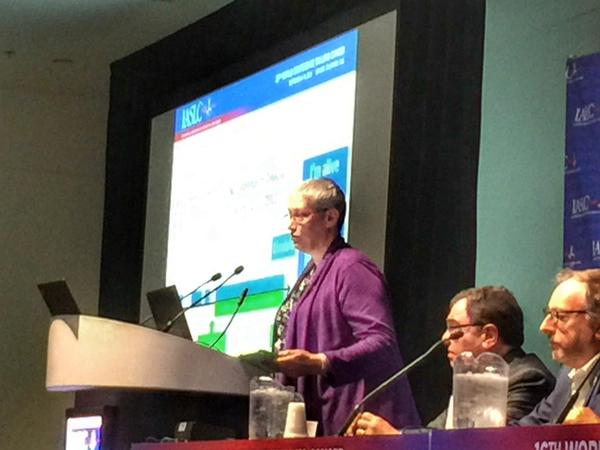
Earlier today (September 6, 2015) I gave this speech at the International Association for the Study of Lung Cancer (IASLC)  World Conference on Lung Cancer in Denver.  I’m pleased at the reception it received.

JFD speaking at WCLC2015 press conference

——————————————–


PRC 1

I appreciate IASLC including me in this press conference. They’ve been responsive to lung cancer patients and advocates, and have included the patient voice in several conferences. Patients and advocates participated in the planning process for this World Conference on Lung Cancer, as demonstrated by the number of patient and advocate presentation on the program. This is a first among major oncology conferences, and a step forward for engaged patients.

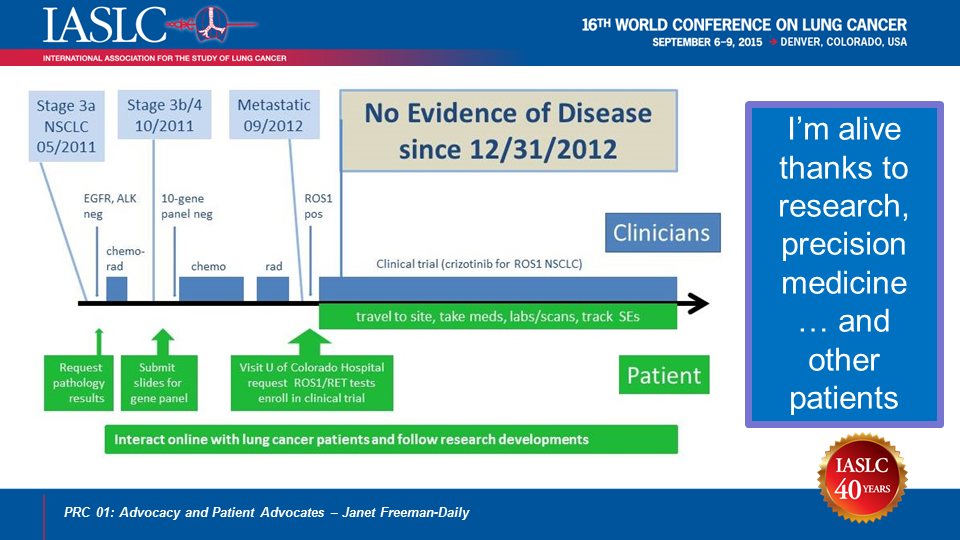
As the slide says, I’m alive thanks to research, precision medicine, and other patients. My lung cancer journey is a good example of the importance of research, hope, and engaged patients and advocates.

In early 2011, I had a nagging cough [hack hack]. To make my husband happy, I went to see my doctor. After two rounds of antibiotics, and weeks of diagnostic procedures, I was diagnosed with advanced lung cancer with a 3-inch tumor in my left lung. I never smoked anything – except a salmon.

My primary tumor and lymph nodes all responded to chemo and radiation, but two months later, I had a new cancerous hot spot by my collarbone. That became a 3-inch mass in three months. I had more chemo, followed by more radiation. A new scan showed all the known tumors were gone or dead. BUT … I had two new tumors in my other lung. I now had metastatic lung cancer. Whenever I stopped treatment, I had a new tumor within two months. My oncologist told me I would be on chemo for the rest of my life. Fortunately, just after I began treatment, a friend and fellow cancer patient recommended I join an online support group for lung cancer patients.

From other patients, I learned about molecular testing, targeted therapy, and clinical trials. I arranged to have my tissue tested, and based on the results, traveled from Seattle to Denver to enroll in a clinical trial. Thanks to this trial, I’ve outlived my original prognosis by years. I recently celebrated my four-year cancerversary, and have had No Evidence of Disease for 32 months and counting. I am not cured, but I am living well with lung cancer.

PRC 2

I am an epatient. Epatients are not just people who search for health information online. The term epatient applies to any patient who is equipped, engaged, empowered, or enabled. These patients can become equal partners in their own care, working together with healthcare providers to improve their outcomes.

In the online lung cancer community of over 20,000 people, I found patients with my type of lung cancer, on the same treatment, who understood exactly what I was feeling and experiencing. They answered questions I didn’t think to ask at doctors appointments while I was still in shock over my diagnosis. They suggested ways to cope with side effects at home. They prodded me to ask my doctor about issues I hadn’t thought were important. They were available in the wee hours when the fear was overwhelming. They shared online information resources from reliable authorities like the National Cancer Institute.

The information I learned online enabled me to become an interactive participant in my care. From other epatients, I learned to ask for my data, including radiology and pathology reports. I learned about treatment options and typical side effects. I learned about new molecular and genomic tissue testing that doctors in my home clinic did not know about. I learned how to find and participate in clinical trials. And I found hope. If I had not had access to other epatients, I would likely be dead now.

Preliminary studies indicate patient engagement and shared decision making can increase patient satisfaction and outcomes and reduce healthcare costs. Activated patients are less likely to be readmitted within 30 days of hospital discharge, less likely to have poor care coordination across healthcare providers, and less likely to lose confidence in their health care system.

PRC 3

Thanks to research and new treatments, more lung cancer patients are surviving longer and learning to live with lung cancer as a chronic illness. As you’ve heard, this disease still kills more people every year than the other top three cancers combined. Yet lung cancer receives fewer federal research dollars per death than any of those cancers. Why is that? Are lung cancer patients not worth saving?

The answer becomes clear when you google the words “lung cancer people.” No throngs of ribboned supporters; few smiling survivors. You see damaged lungs, death … and cigarettes. Lung cancer has an image problem. The first question I hear when I mention my disease is: “Did you smoke?” People blame patients for getting lung cancer. The breast cancer community has changed how the world sees their disease. The lung cancer community must do the same. Two thirds of lung cancer patients – TWO THIRDS — either never smoked, like me, or quit smoking years ago.

Now that more lung cancer patients are benefitting from new treatments, we can speak out to raise awareness of other risk factors such as radon gas, air pollution, and workplace exposure; fight the stigma of lung cancer, and increase research funding so more of us can live. We are telling our stories and experiences through blogs, social media, and support communities. We are sharing our treatment data in online databases, and collaborating with clinicians and researchers via Lung Cancer Social Media (#LCSM) on Twitter.

PRC 4

The new treatments and screening opportunities arising from research give patients like me many reasons for hope. Early last year, there were no additional clinical trials for people with my type of lung cancer. Now there are at least four other trials. In fact, there are now over 17 actionable mutations for lung cancer. Patients whose tumors have these genomic mutations have options for either approved treatments or clinical trials. In fact, more new treatments have been approved for lung cancer in the past four years than in the previous four decades.

Innovation in cancer care can help more patients get the best possible treatment with easy-to-access medical records for second opinions; accurate early detection methods; affordable genomic testing; simpler searches for clinical trials; new trial designs for small and remote populations; big data analysis of outliers; and more effective ways to share information and hope among all lung cancer patients as well as the public–including those who are not on the Internet.

PRC 5

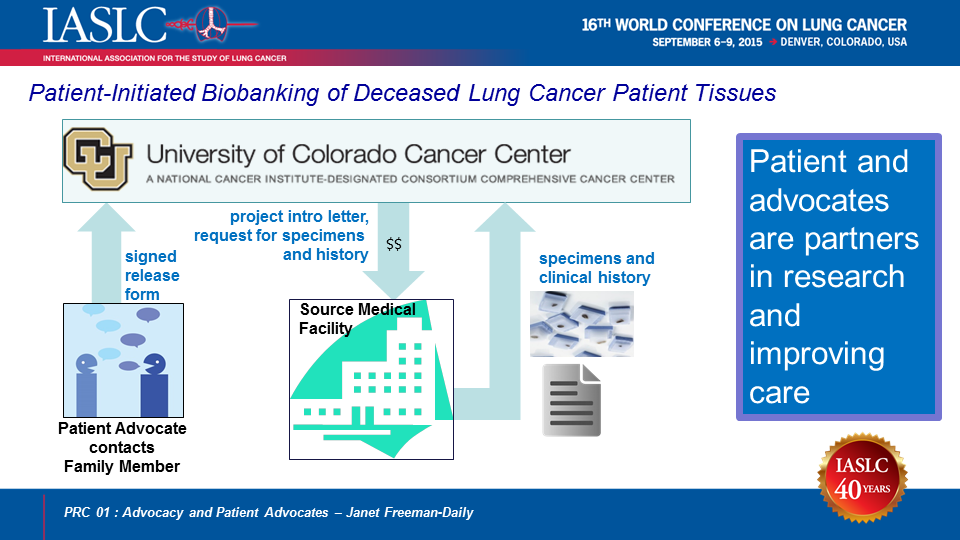
Engaged patients and advocates are working with clinicians and researchers to accelerate research and improve patient outcomes. Last year advocates were instrumental in obtaining Medicare coverage for lung cancer screening, and a group of lung cancer survivors helped change National Comprehensive Cancer Network guidelines for treatment of metastatic lung cancer. Patients and advocates are supporting the “Don’t Guess. Test.” campaign to encourage more patients to get genomic testing. At this conference, patients and advocates will be discussing their involvement in the NCI’s Lung-MAP precision medicine trial, establishment of support groups, a clinical trial to study lung cancer in young adults, and information that helps patients make choices for treatment and survivorship. In just the past two weeks, a research study began at the University of Colorado lung cancer SPORE to work with family members of patients who died of lung cancer to collect archived tumor tissue from community hospitals and provide it to lung cancer researchers so they can continue to provide hope for this disease. I initiated this project as the SPORE’s patient advocate with support of the Addario Patient and Caregiver Advisory Board.

Thank you for your interest in reporting on lung cancer research. Together we can raise awareness, spread hope, fight the stigma of lung cancer, and improve outcomes for all patients.

#PatientsIncluded for @IASLC’s 16th World Conference on Lung Cancer (#WCLC2015)

 IASLC WCLC header 400

This coming week I will be attending the 16th World Conference on Lung Cancer in Denver’s Colorado Convention Center run by IASLC (the International Association for the Study of Lung Cancer). I’m looking forward to live tweeting some sessions (using #WCLC2015), hanging out with fellow patients and advocates, and connecting with many online friends–some I’ve not yet met in person. I’m also giving my first speech as a patient at a medical conference focused on lung cancer, and making some videos with nonprofits and media groups.

This conference is groundbreaking for the “Patients Included” movement–I believe it’s the first time any professional oncology conference has intentionally included the patient voice by scheduling several patient speakers. Registration fees are waived for patients and advocates, the advocacy track has scheduled events each day, and lung cancer survivor Emily Bennett Taylor will be the keynote speaker at the Opening Ceremonies on Sunday September 6.

WCLC is the world’s largest meeting dedicated to lung cancer and other thoracic malignancies. More than 7,000 delegates come from over 100 countries to discuss the latest developments in research. Attendees include clinicians surgeons, medical oncologists, radiation oncologists, pulmonologists, radiologists, pathologists, epidemiologists, basic research scientists, nurses, allied health professionals, advocates and patients.

If you’ll be attending and would like to meet me during the conference, below are some events where you can find me. Amazingly, all of my days begin with activities at 7:30 AM or earlier.

Sunday 9/6 7:30-11:00 AM
5 Card Pancake Stroll
Come walk with Team #lcsm to raise funds for Bonnie J. Addario Lung Cancer Foundation and IASLC.

Sunday 9/7 11:30-12:30
Speaker, WCLC Press Conference (room 108-110-112)
Yes, IASLC included a patient in a press conference—awesome!

Monday 9/7 4-19:00
#LCSM Tweetup at The Corner Office Restaurant (Sponsored by Cancer GRACE)
Meet others who participate in the biweekly Lung Cancer Social Media Chat on Twitter. This is the best place to catch me if you want to meet and chat for a few minutes—I expect to attend 4:30-6:00 PM.

Tuesday 9/8 10:45-12:15
Co-Chair, Oral Session 27: “Care” (rooms 708-710-712)
Together with my co-chair, I will introduce the scheduled speakers.

Wednesday 9/9 14:15–15:45 PM
Speaker, Mini Symposium 27: “Advocacy in Practice”(room 703)
My speech “Supporting Lung Cancer Survivors – Living with and Beyond Lung Cancer” is scheduled for 15:20-15:35. Friend and fellow lung cancer patient CraiginPA will also present in this session.

It’s going to be a great conference! Hope to see you there.

#LCSM Chat 8/13 8pm ET: How can we fight the rising cost of cancer care?

This is a reblog of a post I wrote on the #LCSM Chat site (used with permission).

A July 23 article in Newsweek titled “The High Cost of Cancer Care: Your Money or Your Life?”  emphasizes a topic of increasing concern:  the escalating costs of new cancer drugs, and the toll this takes on patients and families.

A presentation at ASCO 2015 titled “Perspectives in Value” graphically showed the escalating price of cancer drugs in recent years, and how those prices soar off the charts for some new immunotherapies.

image

The presentation also showed how prices of targeted therapy drugs don’t seem to go down as more patients use them.  In fact, the price of Gleevec continued to rise even when a competing drug entered the market.

image

Cancer drugs are supposedly developed and marketed in a free-market economy, which assumes willing sellers negotiate with willing buyers to set a fair price.  Healthcare systems in other countries do negotiate drug prices, and are able to offer drugs at lower prices than we see in the US.  Healthcare systems in other countries do negotiate drug prices, and are able to offer drugs at lower prices than we see in the USA. However, USA insurance companies are captive buyers, and USA cancer patients are held hostage. Drug companies can charge whatever they want in the USA because no one is allowed to negotiate with them.

A group of doctors is encouraging patients and their families to support an online petition titled “Protest High Cancer Drug Prices so all Patients with Cancer have Access to Affordable Drugs to Save their Lives.”  On August 13, 2015, at 8pm Eastern Time, moderator Janet Freeman-Daily (@JFreemanDaily) will lead #LCSM Chat as we discuss some issues raised by this petition:

T1: What are pros and cons of allowing Medicare to negotiate drug prices? Will this lower the cost of cancer care?

T2:  Should doctors prescribe an expensive cancer drug when the patient’s health plan will not cover the cost of the drug?

T3:  Should health plans cover expensive drugs that add only 1-2 months of life if it means higher premiums for everyone?

T4:   Besides signing the petition at https://www.change.org/p/secretary-of-health-and-human-services-protest-high-cancer-drug-prices-so-all-patients-with-cancer-have-access-to-affordable-drugs-to-save-their-lives?recruiter=239495071&utm_source=share_petition&utm_medium=email&utm_campaign=share_email_responsive, what actions can we take to reduce the cost of cancer care?

We hope you’ll join us on Thursday.  For a primer on how to join #LCSM chat, check out How to Participate in LCSM Chat.

The Value of Patient Engagement

Below is the presentation I gave to the Virginia Mason Board of Directors in Seattle, Washington, on 14-July-2015.

————————————
Slide1

Thank you for inviting me to speak to you today. I’ve been a patient of Virginia Mason since 1987, and am grateful for the excellent care I received and the wonderful healthcare providers I’ve come to know. Today I’m going to tell you about my journey as a metastatic lung cancer patient, and how being an engaged patient in online communities has helped keep me alive. Evidence shows being an engaged patient improves outcomes for the patient and reduces costs for the healthcare system. I’ll also share some ideas based research and my own experience that can help Virginia Mason increase patient engagement.

Slide2

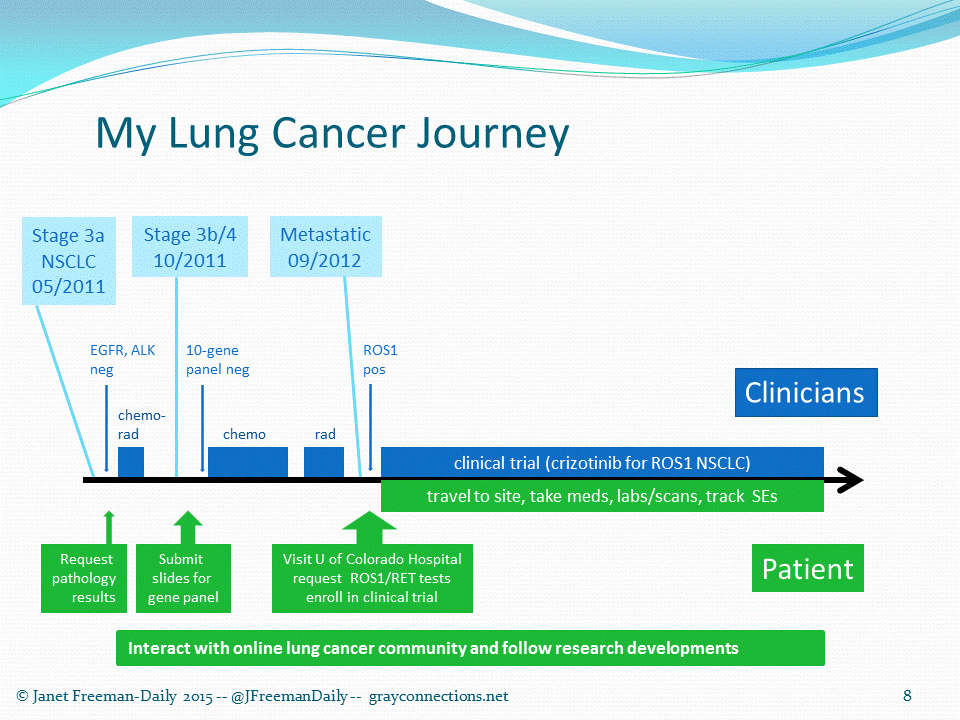
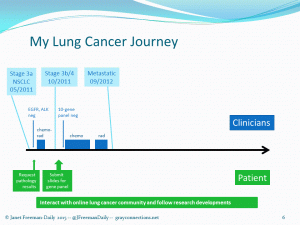
In early 2011, I had a nagging cough [hack hack]. To make my husband happy, I went to see my doctor. After two rounds of antibiotics, and weeks of diagnostic procedures, I was diagnosed with Stage 3a non-small cell lung cancer in May of 2011. I never smoked anything – except a salmon.

Slide3

After a month’s delay to treat obstructive pneumonia, I had concurrent chemo and radiation. My primary tumor and lymph nodes all responded. Two months later, a PET scan found a new hotspot on my collarbone. A biopsy confirmed my cancer had progressed. Since I had severe lung inflammation, my oncologist recommended a break from treatment. In the next three months, I grew a 3-inch mass on my collarbone.

  Slide4

I had more chemo, followed by more radiation. A new scan showed all the known tumors were gone or dead. BUT … I had two new tumors in my other lung. I now had metastatic lung cancer. Whenever I stopped treatment, I had a new tumor within two months. My oncologist told me I would be on chemo for the rest of my life. Fortunately, just after I began first-line treatment, a friend and fellow cancer patient recommended I join an online support group for lung cancer patients.

 Slide 5 (updated)

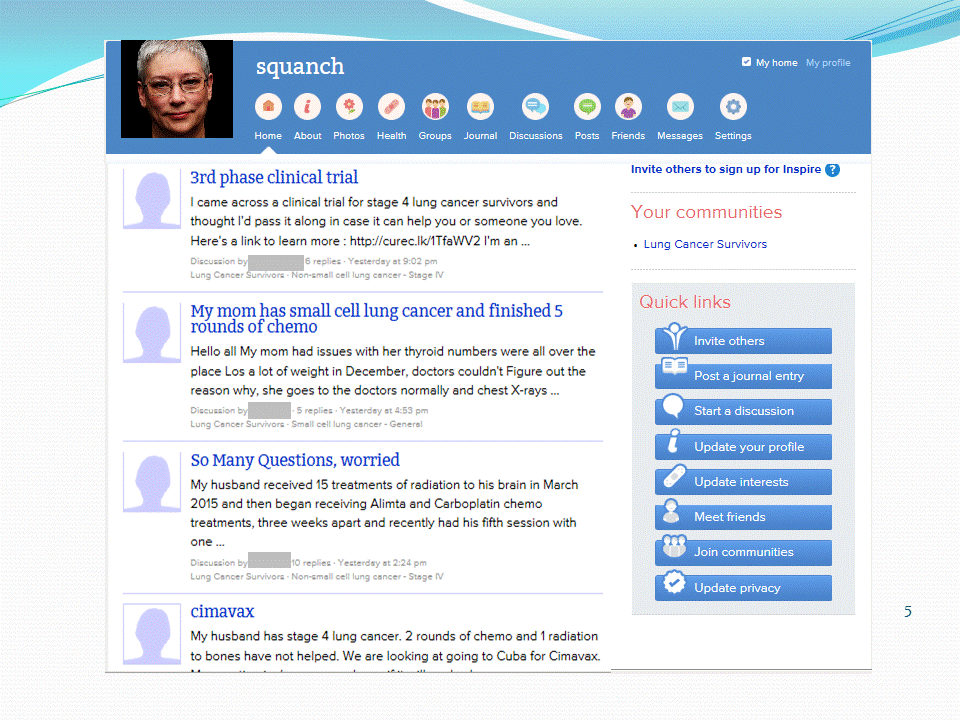
In my online lung cancer community of over 20,000 people, I found patients with my type of lung cancer, on the same treatment, who understood exactly what I was feeling and experiencing. They answered questions I didn’t think to ask at doctors appointments while I was still in shock over my diagnosis. They suggested ways to cope with side effects at home. They prodded me to ask my doctor about issues I hadn’t thought were important. They were available in the wee hours when the fear was overwhelming. They shared online information resources from reliable authorities like the National Cancer Institute.

Online patient and caregiver communities form around specific diseases or treatments on patient-centered forums, social media sites, and disease advocacy organization sites. Patient blogs describe individual disease experiences and advocacy efforts on a variety of platforms and media. Some online communities connect patients and caregivers with researchers and clinicians. Patients can learn more about their diseases and treatments on trusted sites such as government agencies, medical societies, academic cancer centers, and cancer advocacy organizations. The Internet also offers information about treatment facilities and healthcare providers.
 Slide6

 The information I learned on Inspire enabled me to become an interactive participant in my care. From other epatients, I learned to ask for my data, including radiology and pathology reports. I also learned more extensive molecular testing was available at other facilities. After my first progression, I arranged to have my slides sent to the University of Colorado Hospital for testing under the Lung Cancer Mutation Consortium Protocol clinical trial. Unfortunately, all tests were negative, but I was pleased that my Virginia Mason doctors took an interest in my test results.

  Slide7

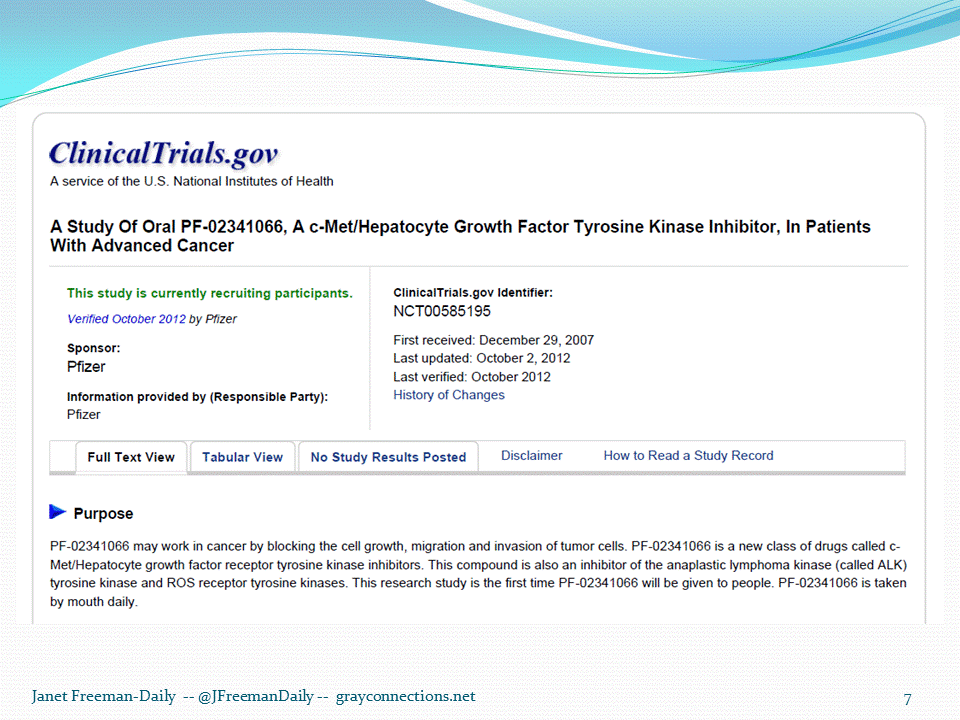
I learned about clinical trials through my online patient community and searching clinicaltrials.gov. Another epatient told me I fit the profile of patients who had the ROS1 translocation—I was relatively young, had adenocarcinoma, was a never smoker, and tested negative for the three most common mutations. He told me about the ROS1 trial, which he was in, and sent me the journal article with initial results as soon as it was published. However, my Virginia Mason team had not heard of ROS1, and did not know how to test for it.

  Slide8

I didn’t act on the information immediately because I was already in treatment. However, after my second progression, I contacted University of Colorado again, and learned they had recently developed a ROS1 test. I gave them permission to test my remaining slides. When I learned my cancer was ROS1 positive, my Virginia Mason team was enthusiastic and worked quickly to determine whether my new lung nodules were cancer. When one of the nodules grew 50% in one month, they agreed I should try the ROS1 crizotinib trial, and I enrolled at University of Colorado in November 2012.

  Slide9

Thanks to precision medicine and the online lung cancer community, I’ve had No Evidence of Disease for 30 months. I’m not cured, but life is relatively normal for now–if you ignore the scanxiety every 8 weeks. I will eventually develop resistance to this drug, but I know other clinical trial options are now open to me.
  Slide10

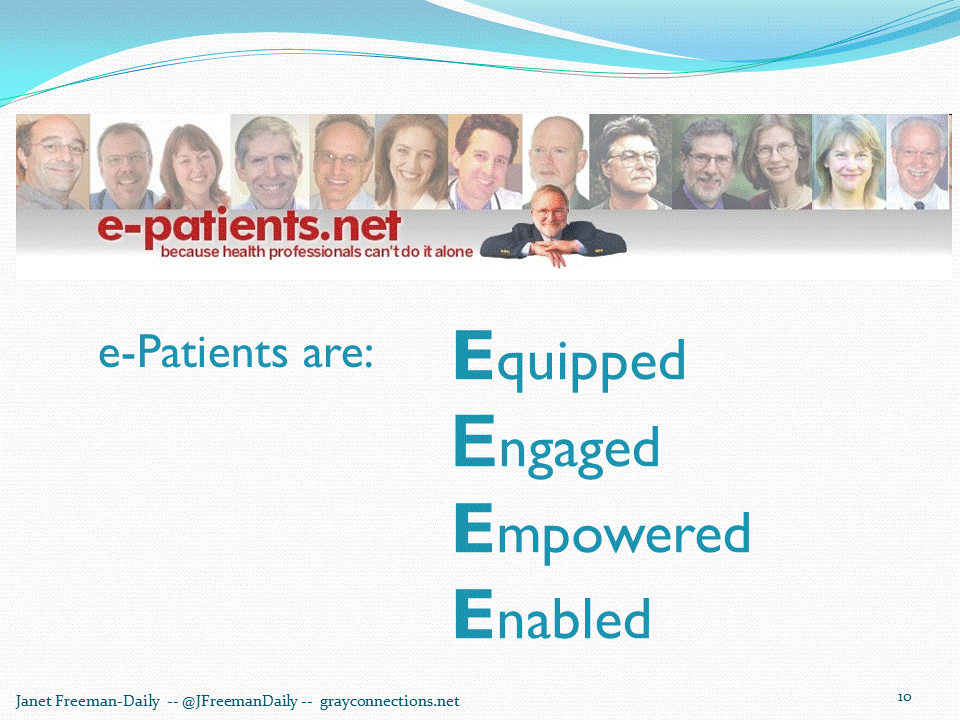
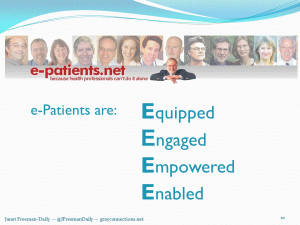
I am alive because I am an e-patient. E-Patients are not just patients who go online to find information. The are any patient who is equipped, engaged, empowered, and enabled. Because I became an e-patient, I was able to actively participate as a partner in shared decision making with my healthcare providers. I was able to express my goals for my care, and my Virginia Mason providers incorporated my values into our discussions.

When my oncologist suggested I take Alimta chemo for my second line treatment, I suggested that we consider adding Avastin. Even though that was a more aggressive treatment, my oncologist agreed because he knew I understood the risks as well as the potential benefits. My Virginia Mason doctors did not suggest shared decision making or offer me any decision aids, but they were very open to discussing options with me when I initiated the conversation.

  Slide11

Preliminary studies indicate patient engagement and shared decision making can increase patient satisfaction and outcomes and reduce healthcare costs. Activated patients are less likely to be readmitted within 30 days of discharge, less likely to have poor care coordination across healthcare providers, and less likely to lose confidence in their health care system.

But not all patients are naturally inclined to become engaged participants in their healthcare. How can we encourage patient activation and engagement? What motivates a patient to become engaged?

  Slide12

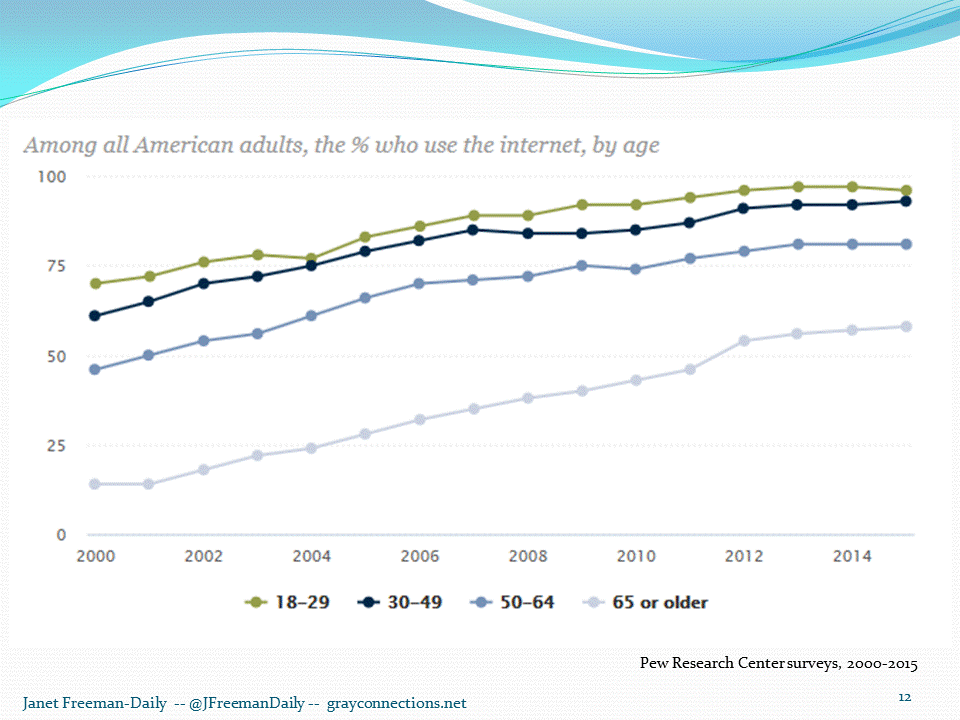
The Internet is now accessible to large portion of the US population. As you might expect, the percentage is higher among younger age groups, approaching 100%, but the rate of new users is growing fastest among the Medicare crowd.

  Slide13

Patients are already accessing health information on mobile devices such as smartphones. Caregivers, patients facing medical crises, and patients dealing with significant health changes are more likely to use their smartphone to look for health or medical information online.
 Slide14

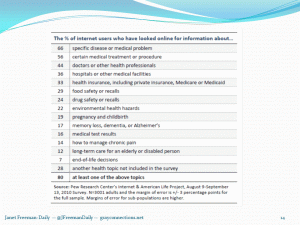
Connected health fills needs not met by the traditional healthcare system. As of 2010, the majority of Internet users have looked online for information about specific diseases or medical problems, or checked out medical treatments or procedures. And those numbers have grown over the past 5 years.

A 2013 Pew Research study of people who have access to the Internet found those living with a chronic condition are more likely to:

  • Gather information online about medical problems, treatments, and drugs.
  • Consult online reviews about drugs and other treatments.
  • Read or watch something online about someone else’s personal health experience
  • Fact check what they find online with a medical professional.

ePatients are more savvy than you may think. You might be concerned that receiving medical advice from others online is dangerous. So far, it’s not. Pew Research found 60% of Internet users who go online for health information say they’ve been helped. Only 3% say they or someone they know have been harmed.
 Slide15

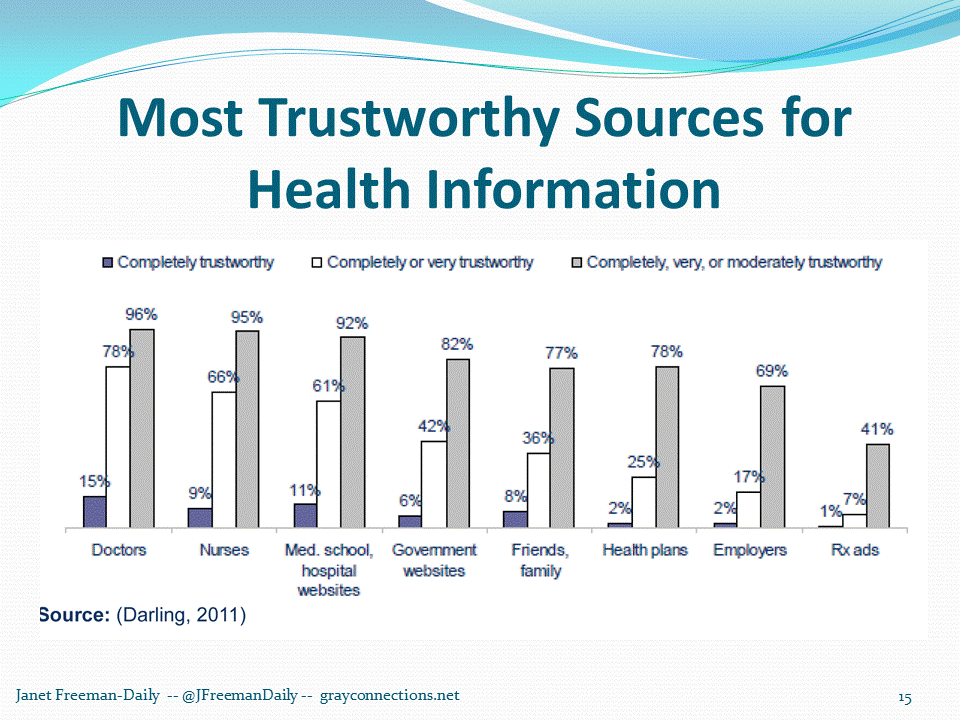
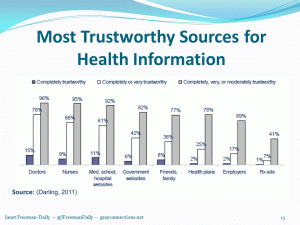
The Internet and other connected health resources do not replace the need for healthcare providers. Research shows patients still consider their healthcare providers the most trustworthy source of health information.   Rather, connected health resources save time and reduce costs by answering questions that arise after the patients have left their providers’ office or facility, providing patients with reliable information they can bring to shared decision making discussions, and encouraging patient engagement in their own care.

When I developed a hard nodule at the base of my neck after my first line treatment, it was my online support group that encouraged me to tell my provider about it sooner rather than later.

 Slide16

 A Health Affairs Health Policy Brief, defines “patient activation” as a patient’s knowledge, skills, ability, and willingness to manage his or her own health and care. “Patient engagement” is a broader concept that combines patient activation with interventions designed to increase activation and promote positive patient behavior, such as obtaining preventive care or exercising regularly. It is these interventions, along with access to trusted information sites, that Virginia Mason can provide to its patients to promote patient engagement.

Slide17

Connected health can provide tools to support care coordination. Seventy percent or more of caregivers are interested in using technologies for tracking personal health records, coordinating caregiving, and helping with medication management. Pew research studies show that 84% of women and 75% of men conduct health research online for someone else.

Connected health tools can also help patients navigate the healthcare system. Trained navigators, patient advocate translators, social media curators, adaptive search tools and shared rating systems could help patients find the most appropriate information from the most relevant trusted resource. Apps could provide information for specific diseases and treatments. Interoperative platforms could enable care coordination across silos of care, care locations, and care providers.

Slide18

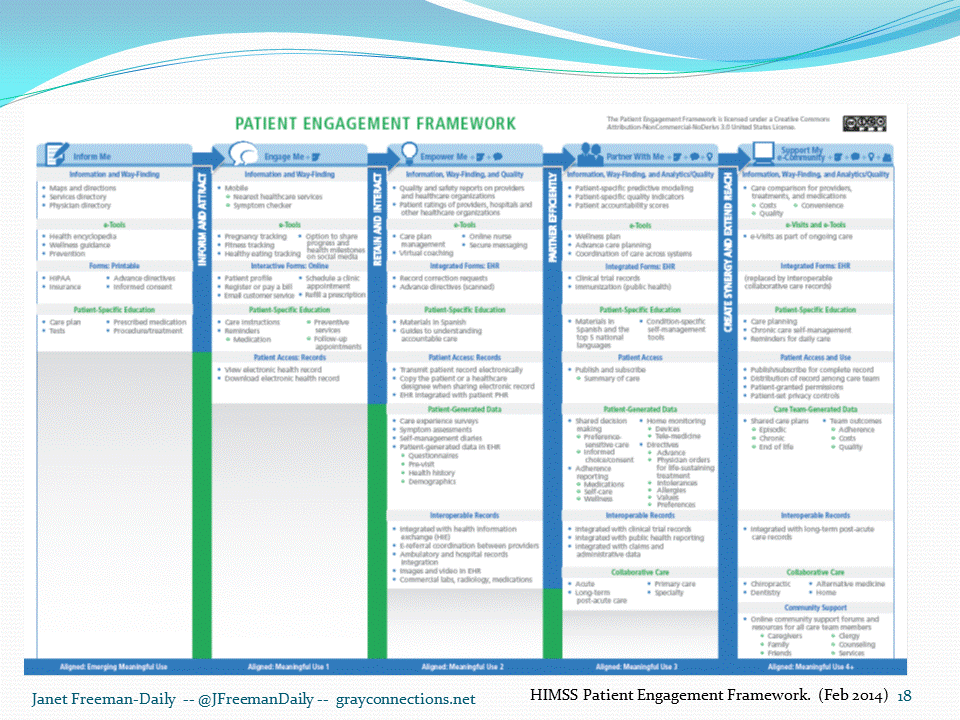
Virginia Mason needs to develop a patient engagement strategy to guide its efforts and meet the strategic goal within Innovation of Service for full partnerships with patients and familes. You might want to use the Healthcare Information and Management Systems Society (HIMMS) patient engagement framework as a guideline. I understand it was emailed to you before the meeting. It’s divided into five sections. I’ll use my experience as examples of what might be included in each section:

  • Inform Me
    • Provide my care plan and a summary of my providers on my patient portal site
  • Engage Me
    • Give me an app that describes my chemo’s side effects and ways to treat them
    • Send my treatment schedule appointments to my smartphone and email reminders for follow-ups
  • Empower Me
    • Allow me to take care experience surveys online
    • Transmit my medical records electronically for a second opinion [explain file cabinet example]
  • Partner With Me
    • Provide a care coordination platform that enables family members to select and share care duties, like transportation or meal preparation
    • Provide electronic survivorship plan with schedule for follow-up and therapies
  • Support My e-Community
    • Offer a wearable that provides med reminders tailored to my prescriptions [example: silent alarm on my fitbit]
    • Provide decision aides to help me evaluate treatment options [example: aggressive biopsy]
Slide19

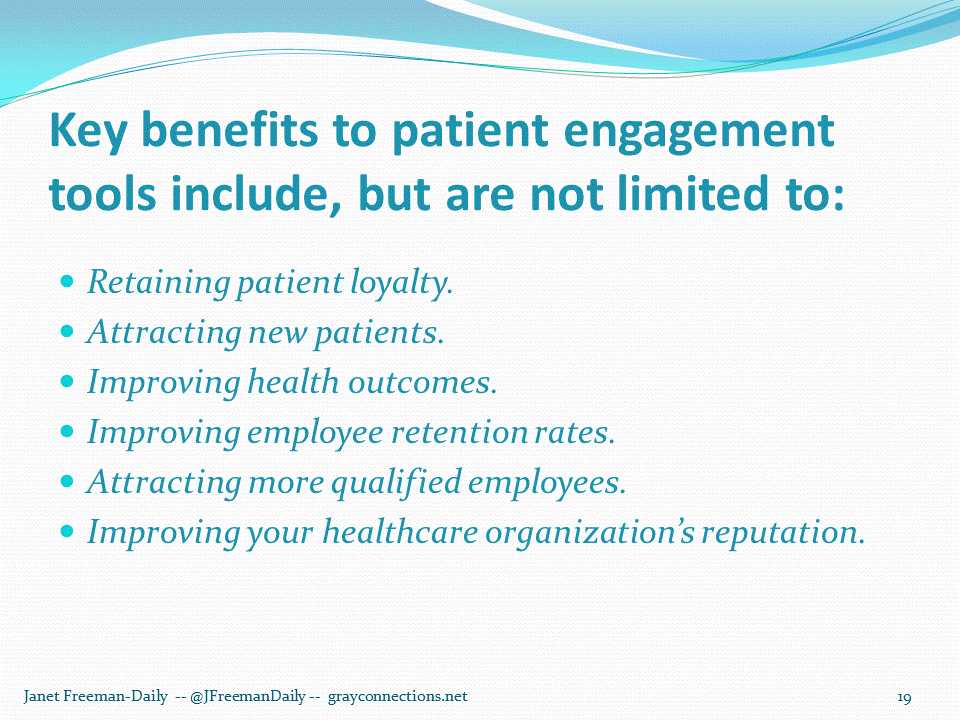
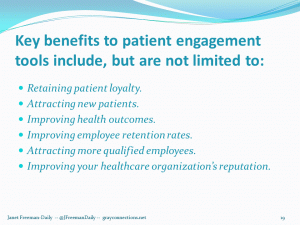
Providing patient engagement tools and supports can benefit the Virginia Mason system and facilities as well as patients. They can help retain patients, attract new patients, improve health outcomes, increase employee retention, attract more qualified employees, and bolster your reputation.

Slide20

I hope I’ve shown you the benefits of patient engagement, and encouraged you to develop patient engagement strategies for Virginia Mason. Thank you for inviting me to share my story and perspective.

Celebrating World Lung Cancer Day 2015

World Lung Cancer Day 2015

August 1, 2015 was the fourth-ever World Lung Cancer Day.  Conceived by  lung cancer survivor Betsy Thompson and supported through a grass-roots movement of patients and family members, this day honors those who have or had lung cancer.  I’m pleased to say it’s really taking off!  Over 40 proclamations recognizing August 1 as World Lung Cancer Day have been issued by US states and cities, and over 20 countries acknowledge the day.

This year the Forum of International Respiratory Societies highlighted the event with a new initiative called Honor, Unite, Inspire along with a fact sheet and infographic, and the news media reported on it.  Dozens of lung cancer survivors and family members posted pictures and remembrances on the WLCD Facebook page.  Survivors, advocates and healthcare providers posted images of patients as well as screening and treatment news, info on risk factors and research updates on Twitter using the #WorldLungCancerDay hashtag.  Even the President’s Cancer Panel (@PresCancerPanel) tweeted to acknowledge the day.

As a lung cancer patient, seeing so many fellow patients celebrated without stigma felt WONDERFUL!  Thanks to all who participated for your love and support.


Are you a connected cancer patient? Tell the President’s Cancer Panel what you think!

This blog was originally published July 6, 2015 on my Cure Today blog.
hcldr connected cancer patient chat

Like many cancer patients, you are part of connected health: by reading this blog, you are using technology like the Internet, computers and smartphones to access information about a disease or patient experience.

This year the President’s Cancer Panel workshop series is addressing various aspects of connected health. Their third workshop on July 9, titled The Connected Cancer Patient: Vision for the Future and Recommendations for Action, will be open to the public (see agenda and attendees ).

Cancer patient advocates Corrie Painter, Stacey Tinianov and I will be participating in the July President’s Cancer Panel Workshop.  To help gather input for the event, we will be guests on the Healthcare Leadership (#hcldr) tweetchat Tuesday, July 7, at 8:30pm Eastern Time.  The questions we will be addressing are… [read more]

Brain fog: the subtle side of scanxiety

Image credit: Microsoft

Image credit: Microsoft

Tomorrow morning I fly out for another Monday PET-CT scan at University of Colorado (CU) in Denver. Tuesday I start cycle 35 of Xalkori on my clinical trial (cycle = 4 weeks). If my Tuesday clinic visit reports a clean scan, I’ll be almost 30 months NED on this targeted therapy.

Because my injured left shoulder is so inflamed, I asked my oncologist if I should have a CT instead of the usual PET-CT this time (inflammation shows up hot on a PET scan), but he says he will just ignore that shoulder. Since I had a detailed MRI of that area a couple of weeks ago when diagnosing my shoulder problem, I’m not concerned a metatasis might be missed. I do wonder how my shoulder will feel after having my arms over my head in the scanner for over 20 minutes, but that’s not a big concern either.

While at University of Colorado, I’ll also be meeting with a CU communications staffer (to discuss cancer center public relations), a molecular pathologist (to discuss ways to explain benefits of genomic testing), and Lung Cancer SPORE members (to discuss a SPORE project). I’m really enjoying my work and friendships with all of them, and love getting to learn about cutting edge science from those who are doing the research. Alas, Dr. Camidge is away on travel, so I won’t get to work on any videos with him this trip.

Interesting projects are definitely worthwhile distractions at scan time. I’ve been so busy with lung cancer advocacy and travel (26 days out of the last two months) that I haven’t had time to feel any conscious scanxiety. However, I still haven’t packed, completed household pre-trip tasks, or written items with impending deadlines, and I’m moving slower than usual. I find myself having difficulty thinking beyond my next cup of coffee. It’s sunny and clear outside, but gray and fuzzy inside my head. So maybe I’m not yet entirely immune to scanxiety’s influence.

Then again, the brain fog could simply be lack of sleep due to Seasonal Affective Disorder (the sun is up 16 hours of the day right now in Seattle), time zone tango, and travel schedules. The source of the fog doesn’t really matter, I suppose, as long as I warn my family of its presence. Otherwise they may wonder why the dirty dishes are in the microwave instead of the dishwasher.

What’s the best part of National Cancer Survivors Day?

To celebrate National Cancer Survivors Day, I’m sharing a recent picture of me with Linnea Olson, a sister metastatic lung cancer patient and one of the bloggers (Outliving Lung Cancer) who inspired me to become a lung cancer blogger and advocate.  She and I are both alive thanks to research and clinical trials.  As Linnea phrased it on Twitter, … read more