Aug 10, 2020 Update to the Joint Statement on #Coronavirus #COVID19 From #LungCancer Advocacy Groups

 The post below is shared with permission. It can also be found on the websites of the lung cancer advocacy organizations listed at the end of this blog post.

—————————

As of August 9, 2020, we are approaching 20 million cases of COVID-19 worldwide, with almost 5 million cases and 160,000 deaths in the US alone. In this week’s update, we want to shift our attention to another looming healthcare crisis resulting from the pandemic, namely a significant decline in new cancer diagnoses. Given the importance of maintaining appointment schedules, we will also present questions that you may want to ask your healthcare provider in advance of visits to the doctor. Finally, we will highlight ongoing advances in lung cancer research, because cancer doesn’t stop and neither do we.


What is the impact of COVID-19 on new cancer diagnoses?

In the early days of the pandemic here in the US, many stakeholders conducted various modeling simulations to look at the short-term and long-term impacts of the pandemic, particularly related to people continuing to get their recommended cancer screenings (mammograms, colonoscopies). These studies highlighted a looming crisis, predicting a rapid decline in the number of new cancer diagnoses. Dr. Ned Sharpless, Director of the National Cancer Institute, highlighted some of this data in a recent presentation at the AACR COVID-19 and Cancer Conference and in an editorial for Science.

This past week, a new study showed an alarming overall drop (46%) in new cancer diagnoses across six different tumor types, including lung cancer, for the period from March 1 to April 18, 2020:

Additional reports from the across the country indicate an even higher drop in new cancer diagnoses. The COVID and Cancer Research Network reported a decline of 74% across 20 sites in the US for April 2020 compared to April 2019.

While people were encouraged to delay these essential screenings during the spring, we know that early detection of cancer is critical for achieving the best outcome and so we want to stress the importance of keeping up with your medical appointments and recommended screenings. To that end, we want to empower you with a set of questions to ask your doctor in advance of any visits so that you feel they are taking appropriate precautions to ensure your safety.


What Should I Ask My Doctor About What They’re Doing to Keep Me Safe?

It’s not unusual to be concerned about the risk of exposure to coronavirus when you go to a clinic or hospital during a pandemic. A facility that is currently experiencing a large volume of COVID-19 patients, or limiting certain procedures or services, may have limitations on which patients it can accommodate.  However, most facilities are ready to welcome patients.

Hospital and clinic facilities are taking extra precautions to keep their patients safe. Many facilities are posting videos and information on their websites explaining which precautions they’ve implemented (here is an example video).

If you can’t find information online about the facility you want to visit, call the facility and ask about their precautions.  Here are some questions you can ask your care provider or facility before an in-person appointment:

  • Can the care provider conduct the visit via telemedicine? (This option requires a patient who doesn’t need an in-person consultation or procedure, AND who is comfortable with and has the equipment for conducting video meetings on a computer or smartphone).
  • Can prescriptions be acquired through home delivery, mail order, or curbside pick-up?
  • Does the facility require everyone to wear a face covering at all times?
  • Does the facility direct patients who have COVID-19 to specific entrances or areas to minimize contact with other patients?
  • Does the facility screen all staff for typical COVID-19 symptoms before they start their shifts?
  • Does the facility have screeners at patient entrances to ask about known COVID-19 symptoms, take each visitor’s temperature, and ensure appropriate face coverings are worn (and provided, if necessary)?
  • Does the facility limit nonessential companions for each patient to no more than a single individual who is free of known COVID-19 symptoms?
  • Does the facility promote physical distancing through use of protective barriers, markers on the floor to indicate where to stand to stay 6 feet apart, and separating seats in waiting areas?
  • Is each piece of equipment and appointment area cleaned between each use by a patient?
  • Do enclosed treatment spaces (like MRI machines) have a waiting period between patients?
  • Does the facility adhere to stringent and frequent cleaning protocols, especially in high-touch areas?
  • Does the hospital allow visitors in patient rooms? If so, does it require them to check in at a nursing station or other screening area before entering patient’s room?

Additional steps YOU can take to help keep yourself safe before, during, and after a visit inside a hospital or clinic:

  • Don a clean face covering before entering the facility, avoid touching it or your face during your time in the facility, and keep it on at all times unless a healthcare provider asks you to remove it.
  • Wash your hands frequently. Bring hand sanitizer with you (just in case)
  • Before meeting your healthcare provider, wash your hands or use hand sanitizer.
  • When you get back to your car or your home, remove the mask carefully by touching only the ear loops. Use hand sanitizer after removing your mask.
  • To be extra cautious, wash your hands and face covering and change your clothes when you get home. You might even take a shower. Wash the clothes you wore to the facility.


And lung cancer research continues in full swing!

This year’s World Conference on Lung Cancer (WCLC 2020), hosted by the International Association for the Study of Lung Cancer, went virtual due to the COVID-19 pandemic. Originally scheduled to be held in Singapore from August 8-12, 2020, the scientific sessions will be available from January 28-31, 2021.

WCLC 2020 was officially kicked off on August 8, 2020 with the Presidential Symposium live telecast at 7 PM Singapore time. The Presidential Symposium is a platform to present practice-changing research in the early detection or treatment of lung cancer. This year’s Symposium had three fantastic Phase III trial presentations on immunotherapy for non-small cell lung cancer (NSCLC), a new targeted therapy for ALK-positive lung cancer, and immunotherapy for mesothelioma.

  1. Currently, a chemotherapy -immunotherapy (pembrolizumab) combination is prescribed as first-line treatment for NSCLC that does not have any targetable driver mutations and that does not express high levels of PD-L1 protein. This is based on the results of the KEYNOTE-189 clinical trial, and the combination is available in the United States and some Western European countries. Results from the Phase III ORIENT-11 trial conducted in China show that addition of an immunotherapy (sintilimab – a PD-1 checkpoint inhibitor) to chemotherapy shows similar benefits seen in KEYNOTE-189. This is an extremely critical finding because results of the ORIENT trial will set the stage for this combination to be available in China and other Asian countries, so that patients can continue to benefit from these advances.
  2. Ensartinib is a 2nd-generation ALK tyrosine kinase inhibitor. Results from the Phase III eXalt3 trial comparing ensartinib to crizotinib as first-line treatment for ALK-positive lung cancer show that this 2nd generation ALK inhibitor is superior to crizotinib, in terms of its effect both on the primary lung cancer and on brain metastases. These exciting results suggest that ensartinib may be another treatment option for ALK-positive lung cancer in the first-line setting.
  3. Malignant pleural mesothelioma (MPM) is an aggressive type of cancer affecting the lining of the lungs. It has been associated with exposure to asbestos. Results from the phase III CheckMate 743 trial, comparing combination immunotherapy (nivolumab-ipililumab) to chemotherapy showed that immunotherapy combo is superior to chemotherapy, in the first-line setting.

These three presentations will likely set the foundation for new drug approvals and remind us that lung cancer research will continue, no matter what COVID-19 brings!


Resources and websites:

  1. IASLC’s Guide to COVID-19 and Lung Cancer
  2. National Cancer Institute website “Coronavirus: What People with Cancer Should Know
  3. We are following updates provided by the World Health Organization (WHO) and the US Centers for Disease Control and Prevention (CDC)
  4. Johns Hopkins COVID-19 Resource Center
  5. Interactive map of US COVID-19 cases by state
  6. The One-Two Punch: Cancer And COVID-19 (an important perspective for cancer patients)
  7. You can find information specific to your state or city or town on your health department’s website:
    Directory of state department of health websites
    Directory of local health department websites
  8. American Medical Association resources for healthcare providers

GO2 Foundation for Lung Cancer (Amy Moore, PhD – amoore@go2foundation.org)
LUNGevity Foundation (Upal Basu Roy, PhD, MPH – ubasuroy@lungevity.org)
Lung Cancer Foundation of America (Kim Norris – KNorris@lcfamerica.org)
Lung Cancer Research Foundation (Cristina Chin, LMSW, MPH – cchin@lcrf.org)
LungCAN (Kimberly Lester – kimberly@lungcan.org)


July 27, 2020 Update to the Joint Statement on #Coronavirus #COVID19 From #LungCancer Advocacy Groups

The post below is shared with permission. It can also be found on the websites of the lung cancer advocacy organizations listed at the end of this blog post.

—————————

These updates began on March 3, 2020–a week before the World Health Organization declared COVID-19 a pandemic–when concerns arose in the lung cancer community regarding news out of China about a novel respiratory virus especially deadly to patients with lung cancer. Dr. Upal Basu Roy (who holds a Masters in Public Health), Dr. Amy Moore (whose PhD research was in virology), and Janet Freeman-Daily (a lung cancer research advocate) led lung cancer patient advocacy groups’ efforts to provide vetted, scientific information with a unified voice. Our goal is to provide a trusted source of information that each member of the community can use to assess their risk and make healthy choices for themselves and their families.

As of July 26, 2020, there have been over 16 million cases of COVID-19 worldwide. This week, the US surpassed 4 million cases– while our nation accounts for just over 4% of the world’s population, we make up 25% of virus cases. Another alarming statistic is the rapid pace with which we keep hitting stark new milestones – it took a mere 15 days for our cases to jump from 3 million to 4 million. These numbers reflect the exponential growth of viruses when appropriate public health measures are not heeded by enough members of the population.


SUMMARY OF AACR COVID-19 AND CANCER CONFERENCE

The American Association of Cancer Research held a special virtual conference titled “COVID-19 and Cancer” on July 20-22, 2020. It is increasingly apparent that cancer and COVID-19 present a unique and unfortunate convergence, with lung cancer patients being among the most at risk for severe symptoms from the disease. This conference grew out of the research community’s need to understand the intersection of these two diseases and reflects the rapid mobilization of cancer scientists to apply their talents to finding solutions to this unprecedented global crisis. As one scientist stated, it is our “moral obligation” to help.

The lung cancer advocacy groups had two “poster” presentations at this conference. The first one summarized the origins of our joint COVID-19 statements and their impact on the lung cancer community. The second one discussed patient concerns that have emerged through these updates and how the advocacy groups can develop programs to address them.


  1. What is the latest data on risk of COVID-19 for lung cancer patients?

Several real-world studies were presented at the conference that addressed overall risk for cancer patients as well as lung cancer in particular. Real-world studies rely on data collected from patients receiving treatment at their regular cancer centers or hospitals (i.e. patients not receiving treatment through a clinical trial). Currently, real-world data seems to be the richest source of data for learning about how SARS-CoV-2 (as a virus) and COVID-19 (as a disease) impacts cancer patients.

Registry data is entered by the patient’s treating physician after the patient has a confirmed diagnosis of COVID-19. Data from two big registries were presented at this conference.

  • The CCC19 registry is a multi-institutional, North American effort for all types of cancer. It reported that lung cancer patients were at higher risk of developing a more severe form of COVID-19. Other factors that predicted worse outcomes included older age, poor performance status, presence of co-morbidities, prior or current history of smoking, and a cancer that was progressing. The CCC-19 study showed an overall mortality of 26% for lung cancer patients with COVID-19, the highest of all the cancer types analyzed.
  • The TERAVOLT registry is a multi-institutional, international effort dedicated to thoracic (lung-related) cancers. TERAVOLT data on 400 COVID-19 patients showed overall mortality of 35.5% for patients who had lung cancer and a higher mortality of 41% for patients who have SCLC. This increases the challenges presented by the pandemic to rural communities in the Southeast, where SCLC burden is high. Poor performance status was associated with more severe COVID-19 symptoms for SCLC patients.  The patients in this study are primarily European, where the standard of cancer care may be different than in the US. It is important to keep in mind that SCLC is highly aggressive and has a higher symptom burden than NSCLC.

Single-institution data provide convenient samples to understand the natural history of a specific disease. At the conference, data from Memorial Sloan Kettering Cancer Center in New York City showed that prior immunotherapy for lung cancer did not impact outcomes of SARS-CoV-2 positive lung cancer patients. This data seems to contradict other registry-based efforts which have suggested that immunotherapy may predict worse outcomes. At the height of the pandemic in NYC, 20% of MSKCC’s lung cancer patients with COVID-19 died but many, including those with late-stage cancer, recovered. This study suggests patient-specific factors (such as type of treatment and patient characteristics) may determine overall risk and susceptibility to worse outcomes. It is important to keep in mind that standard of care and patient characteristics may be unique in a specific institution and therefore the results may not be generalizable.

One study presented at the conference that looked at electronic health records of patients in the US showed that an active cancer diagnosis coupled with co-morbidities such as diabetes and hypertension predicted worse outcomes for COVID-19.

Some common themes emerged for lung cancer patients:

  • Patient-specific factors such as older age, presence of lung comorbidities such as COPD, and a poor performance status (higher than 1) are associated with a risk of developing a more severe form of COVID-19.
  • Certain treatments such as chemotherapy (either alone or in combination) may increase the risk of developing a severe form of COVID-19 due to the immunosuppressive effects of chemotherapy.

We are still learning about how patient-specific factors and treatment-specific factors related to lung cancer can influence the severity of COVID-19. It is best to discuss how an individual patient’s situation will be impacted with the treating physician.

What is abundantly clear at this point is that multiple studies point to increased risk and worse outcomes in lung cancer patients with COVID-19. As the pandemic continues to spread throughout the US, it is imperative that lung cancer patients continue to take the threat seriously and take appropriate steps to protect themselves and those around them:

  • limit unnecessary travel (particularly to areas where COVID-19 is prevalent),
  • practice social distancing,
  • wash hands frequently (or use hand sanitizers when handwashing is unavailable), and
  • WEAR A MASK when out in public.


  1. How has the COVID-19 pandemic impacted oncologists and the cancer healthcare community?

The impact of the COVID-19 pandemic on the mental health of oncologists cannot be underestimated. Several studies suggest that oncologists will likely suffer from “burn-out” syndrome and post-traumatic stress disorder (PTSD). Two studies documenting the effect of the pandemic on mental health of oncology professionals were presented at the conference.

  • One study looked at 300 oncologists in Western Europe and the United States during the first phase of the pandemic. Two biggest fears reported by the oncologists (almost 75% of participants) were “fear that their patients would get sick” and “fear that their family members would get sick.” Several oncologists opted to live away from their families during their oncology service to protect their families (Symposium 7, Dr. Gabriella Pravettoni).
  • In the second study reported at the Keynote Symposium, which included 1570 oncologists from 102 countries, more than 75% of the oncologists reported that they feared contracting COVID-19 (July 21 Keynote, Dr. Solange Peters).

Both these studies highlight the importance of developing adequate mental health support services for healthcare professionals as the effects of the pandemic emerge.

As patients and advocates who work regularly and intimately with oncology healthcare professionals, we must not forget to express our gratitude to all members of the patient care team.


Resources and websites:

  1. IASLC’s Guide to COVID-19 and Lung Cancer
  2. National Cancer Institute website “Coronavirus: What People with Cancer Should Know
  3. We are following updates provided by the World Health Organization (WHO) and the US Centers for Disease Control and Prevention (CDC)
  4. Johns Hopkins COVID-19 Resource Center
  5. Interactive map of US COVID-19 cases by state
  6. The One-Two Punch: Cancer And COVID-19 (an important perspective for cancer patients)
  7. You can find information specific to your state or city or town on your health department’s website:
    Directory of state department of health websites
    Directory of local health department websites
  8. American Medical Association resources for healthcare providers

GO2 Foundation for Lung Cancer (Amy Moore, PhD – amoore@go2foundation.org)
LUNGevity Foundation (Upal Basu Roy, PhD, MPH – ubasuroy@lungevity.org)
Lung Cancer Foundation of America (Kim Norris – KNorris@lcfamerica.org)
Lung Cancer Research Foundation (Cristina Chin, LMSW, MPH – cchin@lcrf.org)
LungCAN (Kimberly Lester – kimberly@lungcan.org)
 

July 13, 2020 Update to the Joint Statement on #Coronavirus #COVID19 From #LungCancer Advocacy Groups

The post below is shared with permission. It can also be found on the websites of the lung cancer advocacy organizations listed at the end of this blog post.

—————————

As of July 1, 2020, more than 10 million people worldwide have been infected with SARS-CoV-2, the virus that causes COVID-19. In the United States alone, more than 3 million people have tested positive, as of July 10, 2020. Our knowledge about how the virus affects our immune systems and other organs is continuously evolving. Along with this knowledge, doctors are becoming better at managing patients with a confirmed diagnosis of COVID-19. However, it is important to keep in mind that the virus is still infectious.

In this update, we answer some key questions about the current need for public health measures, testing in light of the recent rise in COVID-19 cases, what the test results means, some recent press on “new strains” of SARS-CoV-2, and finally what this means for herd (community) immunity.


What public health measures can help stop the spread of the virus?

 Current data still suggest the virus is most commonly spread person-to-person, via droplets expelled by talking, coughing, or sneezing while in close face-to-face contact. The virus may also spread via aerosols (smaller droplets that remain suspended in air) but at this point, this has not been clearly established. People can have an active case of the virus and show no symptoms (asymptomatic spread). Until a vaccine is available, we need to take action to prevent transmission of SARS-CoV-2 through these strategies:

  • Personal hygiene (e.g., hand washing)
  • Testing people to identify cases of active infection
  • Using distance or physical barriers to reduce the spread of infectious droplets (e.g., staying home, social distancing, wearing masks, isolating people who are infected)
  • Contact tracing (e.g., notifying people when they have been in contact with someone who has active infection)
  • Government-level actions (e.g., governmental limits on sizes of gatherings or business capacity; school or workplace closures; stay-at-home orders)
  • Travel restrictions (e.g., border closure, enforced quarantine on visitors from infected areas) if required


Should I get tested for COVID-19? Which test is right for me? What do the test results mean?

If you or your loved one suspects that they have been exposed to SARS-CoV-2, and/or have developed the three most common COVID-19 symptoms (fever, cough, and shortness of breath), we recommend you get tested.

Currently, three tests are available for COVID-19. The choice of test depends on whether you suspect that you have an active (existing) infection, or you were infected in the past and want to confirm infection.

Stage of infection

Current infection Past Infection
Type of Test PCR test Antigen test Antibody test
How is a sample collected? A nasal or throat swab A nasal or throat swab A blood sample
What does a positive test result mean? You have an active SARS-CoV-2 infection. Even if you do not have symptoms, a positive result may suggest you can infect others. You have an active SARS-CoV-2 infection-. Even if you do not have symptoms, a positive result may suggest you can infect others. You were possibly exposed to SARS-CoV-2 in the past, even if you did not have major symptoms.
HOWEVER, this does NOT necessarily mean you have immunity to the virus (we are still learning how long immunity might last).
What does a negative test result mean? You might not be currently infected with SARS-CoV-2.
HOWEVER, this does NOT necessarily mean you don’t have a current infection — especially if you display symptoms. Your doctor will take into account the entire clinical picture and not just test results.
You might not be currently infected with SARS-CoV-2.
HOWEVER, this does NOT necessarily mean you don’t have a current infection — especially if you display symptoms. Your doctor will take into account the entire clinical picture and not just test results.
You might not have been exposed to SARS-CoV-2.
HOWEVER, this does NOT necessarily mean you were not exposed in the past. It is becoming increasingly clear that antibodies against SARS-CoV-2 do not last for a very long time. Therefore, timing of test matters.

More testing will help us to identify more people who have an active case of COVID-19 and may be able to spread the disease, whether or not they have active symptoms. An accurate count of active cases tells us where the virus is currently spreading and hopefully helps us to implement prevention measures in time to limit spread of the disease in that area.


Has the SAR-CoV-2 virus mutated? Is this new mutation more infectious? What does this mean for prevention, vaccines, and treatment?

A preliminary manuscript (which has not yet undergone peer review) describes the emergence of a new mutation seen in a specific gene of the SARS-CoV-2 virus. This mutation, which was first discovered in Europe, is called D614G. It causes an increase in the number of spike proteins in the virus. Since the spike protein is how the virus attaches to human cells, the authors concluded that this mutation makes the virus more infectious. However, it does not appear to make the resulting disease more severe or deadly.  Currently, the real-world implications of this mutation and its impact on the development of vaccines and treatments are still unclear.


Are blood tests detecting coronavirus antibodies more frequently? 

Many countries are using blood tests to look for SARS-CoV-2 antibodies in their populations. Testing of blood serum is called serology. The percentage of individuals in a population that have these antibodies in their blood serum is called seroprevalence. As COVID-19 spreads across the globe, different areas will have different levels of seroprevalence.

The CDC is now conducting large-scale geographic seroprevalence surveys at a number of sites across the country. Initial results from the first six sites showed rates of people who tested positive for SARS-CoV-2 antibodies varied from about 1% (in WA state) to about 7% (in greater NYC area).

Several global seroprevalence studies have been published recently. In Spain, which was hit hard by COVID-19 in the spring of 2020, approximately 5% of people in the 36,000 households tested had antibodies against SARS-CoV-2 (they are “seropositive”—their serum tested positive for antibodies). The seropositive rate is closer to 10% near Madrid but only 3% along the coast. Given that 95% of Spaniards do not have antibodies (seronegative), the authors conclude that it is important to maintain the public health measures described above.

A second study from Brazil also found regional variability in seroprevalence, with an overall seropositive rate of 1.4%. However, surprisingly, some cities along the Amazon had some of the highest rates reported so far, approaching 25%. This finding further counters the argument that SARS-CoV-2 is susceptible to heat, since Brazil maintains a hot, tropical climate.


What about herd immunity?

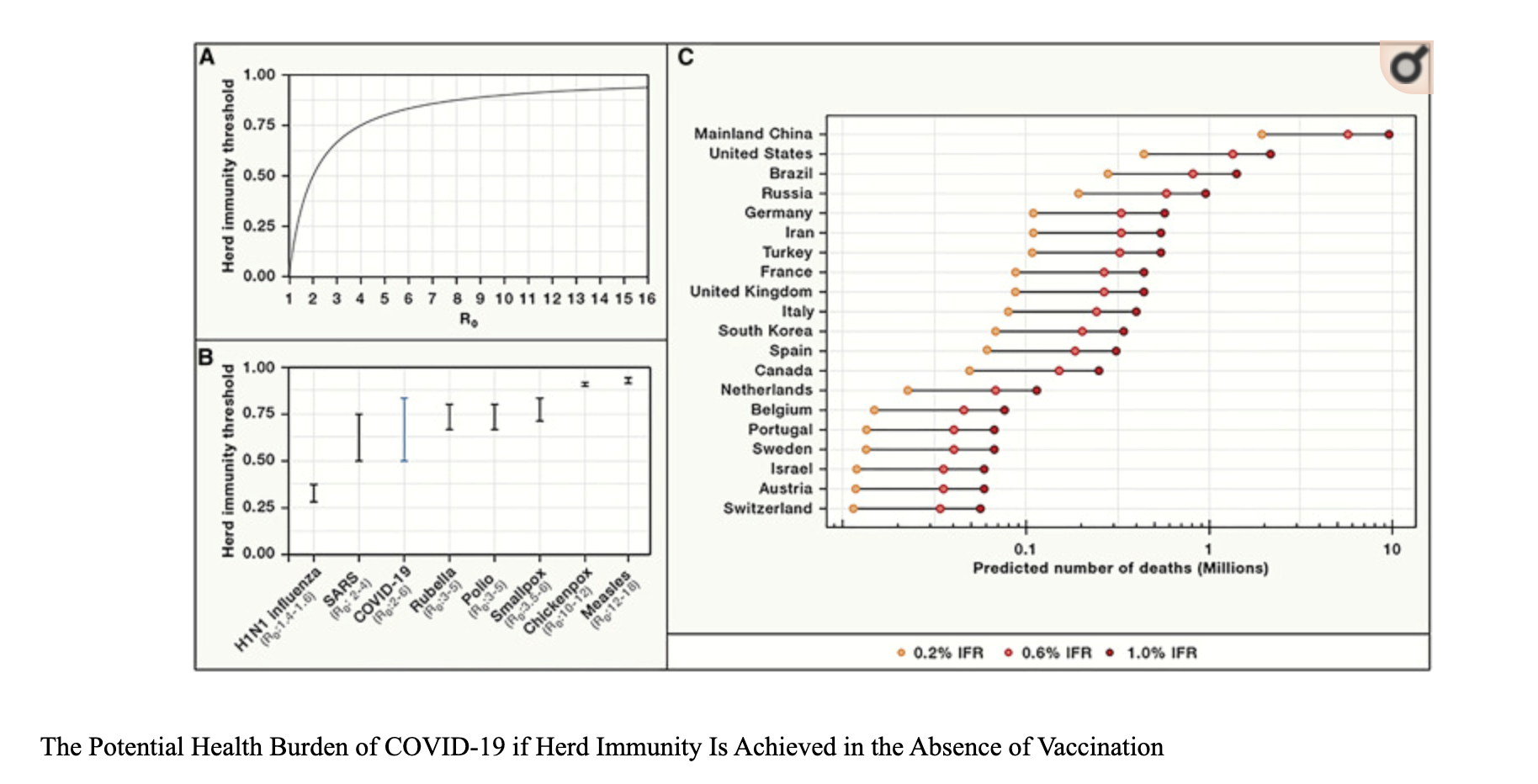
Herd immunity (or community immunity) occurs when a high percentage of the community is immune to a disease through vaccination and/or prior illness. We currently face several challenges to achieving herd immunity. First, seropositivity rates remain significantly below the ~70% required to achieve herd immunity, even in hotspot areas such as NYC. Second, a growing number of reports suggest that antibody levels fall off significantly as early as 8 weeks after infection (though other features of the immune system may provide some protection).

Some have suggested that public health efforts to reduce transmission are only delaying the acquisition of herd immunity. Sweden has been held up as a model for keeping a country open to develop herd immunity.  However, Sweden serves more as a cautionary tale— it experienced much higher death rates than its Scandinavian neighbors yet was not spared the economic impact of the pandemic.  Various models have suggested that efforts to achieve herd immunity by natural infection (ie, letting the virus run its course without vaccines) would result in over 30 million deaths globally

Letting the virus run its course comes at extraordinary cost in terms of human lives. Further, given the low rates of seropositivity among areas hard-hit by the virus and the rapidly declining antibody levels in individuals, it seems unlikely that we will achieve herd immunity WITHOUT a vaccine.

How risky is returning to “normal” activities?

 These updates are intended to give you the latest evidence on what we know and to provide a framework for you to make your own decisions as we all learn how to navigate this new “normal.” In that spirit, we share this recent graphic that helps assess the relative risk of various daily activities:


Resources and websites:

  1. IASLC’s Guide to COVID-19 and Lung Cancer
  2. National Cancer Institute website “Coronavirus: What People with Cancer Should Know
  3. We are following updates provided by the World Health Organization (WHO) and the US Centers for Disease Control and Prevention (CDC)
  4. Johns Hopkins COVID-19 Resource Center
  5. Interactive map of US COVID-19 cases by state
  6. The One-Two Punch: Cancer And COVID-19 (an important perspective for cancer patients)
  7. You can find information specific to your state or city or town on your health department’s website:
    Directory of state department of health websites
    Directory of local health department websites
  8. American Medical Association resources for healthcare providers

GO2 Foundation for Lung Cancer (Amy Moore, PhD – amoore@go2foundation.org)
LUNGevity Foundation (Upal Basu Roy, PhD, MPH – ubasuroy@lungevity.org)
Lung Cancer Foundation of America (Kim Norris – KNorris@lcfamerica.org)
Lung Cancer Research Foundation (Cristina Chin, LMSW, MPH – cchin@lcrf.org)
LungCAN (Kimberly Lester – kimberly@lungcan.org)


June 29, 2020 Update to the Joint Statement on #Coronavirus #COVID19 From #LungCancer Advocacy Groups

The post below is shared with permission. It can also be found on the websites of the lung cancer advocacy organizations listed at the end of this blog post.

—————————

As of June 28, 2020, the United States has reported more than 2.5 million cases of COVID-19 and 125,484 deaths. We are now seeing a rapid escalation in cases in states across the US. Some would argue that these increases simply reflect more testing but that only tells part of the story. Perhaps a more meaningful metric is the rate of new hospitalizations and ICU bed capacity. Seven states (AZ, AR, CA, NC, SC, TN, TX) are now reporting their highest hospitalization rates since the pandemic started. In hard-hit Houston, TX, ICU bed occupancy stands at 97% at Texas Medical Center. Though only a quarter of that number is currently due to COVID-19 cases, there is once again growing concern about the ability of our hospitals to handle the rapidly increasing number of patients, especially once a second wave of infections strikes.

There are also some changing demographics with this most recent uptick in cases, including growing numbers among young adults ages 20-30. While that may seem to be good news at first, since younger people for the most part have a less severe form of the disease than the elderly or those with underlying comorbidities, this also creates a potential reservoir of the virus that could rapidly extend to more vulnerable populations in the surrounding community.

In the absence of a vaccine or an effective treatment, our best modes of protection remain continued social distancing, frequent handwashing, and wearing masks or facial coverings. This paper from The Lancet supports the use of face masks in reducing transmission in both the healthcare and community setting. The lack of a spike in cases related to recent national protests also suggests that masks played a large role in preventing transmission of the virus. As cases continue to rise across the country, more and more states are beginning to mandate the use of masks or facial coverings, as shown below:  


Additional studies on outcomes, antibody response, and radiological findings: 

  1. In our June 15, 2020 update, we presented findings from the TERAVOLT study, which has reported an increased mortality rate (33%) in lung cancer patients with COVID-19. Some have questioned this study’s findings and how translatable they are to the situation here in the US. New data from Memorial Sloan Kettering Cancer Center (MSKCC) in NYC were reported for a cohort of 102 patients with both lung cancer and COVID-19. Of these patients, 62% were hospitalized and 25% died. Of the patients who required ICU level care (21%), 72% died. However, COVID-19 severity appeared to correlate more with patient-specific factors rather than tumor-specific characteristics or treatments. Thus, while this is a small study, it does reinforce the vulnerability of lung cancer patients to COVID-19. Another study from Memorial Sloan Kettering Cancer Center looked at a cohort of 423 cancer patients with COVID-19 (8% of which were lung cancer patients) and found that 20% developed severe respiratory illness (including 9% who required mechanical ventilation) and 12% died within 30 days. In addition, the authors found that administration of immunotherapy was associated with a higher risk of complications. Despite small sample size of patients from single institutions and from different countries, all these studies reinforce two points: cancer patients may be at a higher risk of developing complications from COVID-19 and various patient- (such as lung damage from radiation therapy) and treatment-specific (immunosuppressive treatments such as chemotherapy) factors determine the extent of severity.
  1. New research out of China suggests that the antibody response (a measure of immunity) to SARS-CoV-2 infection may not last as long as for other respiratory viruses, particularly among asymptomatic patients. The study, published in Nature Medicine, suggests that antibody levels fall off by over by 70% in both asymptomatic and symptomatic patients by 8 weeks following infection. Though the sample size is small, if true, these results have important implications for establishing “herd immunity” (also sometimes referred to as community immunity) through natural infection as well as vaccination efforts.
  1. Additionally, the paper above described radiological imaging findings in the lungs of asymptomatic patients, including ground-glass opacities as shown below. Coupled with prior reports of extreme lung damage in some patients (including a healthy 20 year old woman who required a double-lung transplant), these data, though from a small cohort of patients, affirm that there is still much we do not know yet about COVID-19’s impacts and if infection has a lasting impact on lung function in patients who recover. In the case of lung cancer, the overlap between radiological findings in COVID-19 and lung cancer complicates diagnosis, treatment and management of patients.

In light of these studies and others which suggest an increased risk for patients with lung cancer, researchers from the fields of lung cancer, virology, immunology and epidemiology are rapidly mobilizing to create large-scale programs to address questions such as:

  • What is the relative risk of COVID-19 for lung cancer patients?
  • How many lung cancer patients have been infected with SARS-CoV-2 and have antibodies against the virus?
  • What are the features of the immune response to SARS-CoV-2?
  • What are the long-term implications for lung cancer patients who recover from COVID-19?

In summary, we continue to advise our community to maintain public health precautions as they go about their daily activities such as household chores and groceries. In a recent New York Times article, former director of CDC (under the Obama administration), Dr. Tom Frieden says, “Start with the three Ws: wear a mask, wash your hands, and watch your distance.” Now more than three months into the pandemic, hospitals and clinics have excellent procedures in place to ensure that patients are kept safe during clinic appointments. We strongly advise lung cancer patients to check with their doctors on what these precautions are, in case they are concerned about getting exposed to SARS-CoV-2 while seeking healthcare. It is not advisable to miss clinic appointments without consulting your healthcare team.


AACR Virtual Conferences

Lung cancer patient advocates attended AACR’s Virtual Annual Meeting II on June 22-24. As expected, many presentations focused on the intersection of COVID-19 and cancer as well as our current national dialog on racial issues. Dr. Lisa Newman presented work on the double hit minority cancer patients are facing as a result of the ongoing pandemic. Dr. Ned Sharpless, Director of the National Cancer Institute (NCI), reported data predicting an additional 10K cancer deaths over the next decade as a result of missed screenings, delays in diagnosis and reductions in cancer care. Though these models were for breast and colorectal cancer, there is equal concern about the potential impacts on lung cancer. The lung cancer advocacy groups must continue to push forward policies that protect minority communities and ensure access to continued screening and care during the current crisis.

Thank you to everyone who participated in our recent survey to collect data on the value of these updates and patient concerns that have emerged as a result. We are pleased to report that we have had two abstracts accepted for presentation at the upcoming AACR Virtual Meeting: COVID-19 and Cancer being held July 22-24. Our community will be well-represented as we learn even more about the intersection of these two diseases and the implications for lung cancer in particular.


Resources and websites:

  1. IASLC’s Guide to COVID-19 and Lung Cancer
  2. The National Cancer Institute has a special website for COVID-19 and emergency preparedness. COVID-19: What People with Cancer Should Know-
  3. We are following updates provided by the World Health Organization (WHO) and the US Centers for Disease Control and Prevention (CDC)
  4. Johns Hopkins COVID-19 Resource Center
  5. Interactive map of US COVID-19 cases by state
  6. The One-Two Punch: Cancer And COVID-19 (an important perspective for cancer patients)
  7. You can find information specific to your state or city or town on your health department’s website: Directory of state department of health websites, Directory of local health department websites
  8. American Medical Association resources for healthcare providers

GO2 Foundation for Lung Cancer (Amy Moore, PhD – amoore@go2foundation.org)
LUNGevity Foundation (Upal Basu Roy, PhD, MPH – ubasuroy@lungevity.org)
Lung Cancer Foundation of America (Kim Norris – KNorris@lcfamerica.org)
Lung Cancer Research Foundation (Cristina Chin, LMSW, MPH – cchin@lcrf.org)
LungCAN (Kimberly Lester – kimberly@lungcan.org)


June 15, 2020 Update to the Joint Statement on #Coronavirus #COVID19 From #LungCancer Advocacy Groups

The post below is shared with permission. It can also be found on the websites of the lung cancer advocacy organizations listed at the end of this blog post.

—————————

As of June 12, 2020, the United States has reported more than 2 million cases of COVID-19 and 113,914 have died from this disease. States are in different phases of reopening and shelter-in-place restrictions and lockdown have been eased in almost every state in the USA. With restrictions being lifted despite the upsurge in new cases, a big question remains.

Is it safe to return to routine activities? The short answer to this question is NO – we are not yet ready to return to routine activities.

In this week’s update, we provide evidence on why the lung cancer community needs to be vigilant about the risk of exposure to SARS-CoV-2, the virus that causes COVID-19. We also describe the impact of easing shelter-in-place restrictions in different states in the US and conclude by providing expert guidance from epidemiologists on what to expect over the next year.

  1. Lung cancer patients are at higher risk of developing complications from COVID-19: The Thoracic cancERs international coVid 19 cOLlaboraTion (TERAVOLT) registry study is specifically tracking outcomes for lung cancer patients infected with COVID-19. Recently published data from this study suggests that stage IV non-small cell lung cancer (NSCLC) patients are at higher risk of complications and mortality if they get infected with SARS-CoV-2. Of the patients included in the study, 33% succumbed to complications from COVID-19. Though the data generated for this study is primarily from European countries, it is highly probable the findings will hold true in other high-income countries such as the United States. Though the study does not provide information on the outcomes of small cell lung cancer (SCLC) patients, we anticipate that the findings will hold true for SCLC as well, given the high symptom burden of SCLC. Also, the TERAVOLT study has identified smoking history as an important predictor of developing complications from COVID-19. This suggests that SCLC patients may be at higher risk of a severe form of COVID-19, given the association of SCLC with active tobacco exposure. It is important to keep in mind that the CDC considers patients with lung co-morbidities (such as lung cancer) to be at a higher risk of developing complications from COVID-19.
  1. Easing shelter-in-place restrictions has led to an escalation in new COVID-19 cases in the United States: It is now proven that public health measures such as home isolation, business closures, and other large-scale social distancing measures have had large and measurable health benefits in containing the spread of COVID-19 and “flattening the curve”, as described by a recent research study in the journal Nature. Therefore, before lifting or removing these restrictions, there needs to be careful deliberation taking into account the local case load of COVID-19 and availability of critical hospital resources, should there be a spike in cases when restrictions are lifted. In order to assist states in reopening, the CDC has suggested a phased-approach to easing shelter-in-place restrictions. However, it is becoming increasingly apparent that we will need to monitor reopening with caution and continue to maintain public health precautions.
    • The state of Florida reported a spike in COVID-19 cases since the state entered phase 2 reopening on June 5th. The 64 counties that moved into the second phase of reopening saw a near 42% increase in new cases the week before that could not be explained by increased testing alone.
    • The state of Arizona has seen a huge spike in the number of COVID-19 cases since the state eased restrictions at the end of May. Arizona’s Department of Health Services has reported that the state has already reached 80% of its ICU bed capacity.

If you are curious to see how your state is performing in light of the recent lifting of shelter-in-place restrictions, please check out this article.

  1. We should continue to maintain public health measures to minimize exposure to SARS-CoV-2: Easing shelter-in-place restrictions does not mean we should stop maintaining public health precautions. We highly recommend that everyone:
    • Wear masks in public. A recent publication in the Proceedings of the National Academy of Sciences shows wearing masks is protective, given that transmission of the virus through air is one of the primary means of infection.
    • Continue to maintain six feet distance from others in public
    • Continue to practice social distancing
    • Self-quarantine in case you suspect you may have been exposed to the virus
    • Wash your hands regularly with soap and water
    • Avoid touching your face
    • Avoid large gatherings of people
    • Minimize all non-essential travel

As a lung cancer patient or caregiver, if you have any questions on how to maintain public health measures as you run errands and go to work, please check out the CDC resources here. We are also learning about the long-term effects of an infection. Impact of COVID-19 on the body can last for several months. In some extreme cases, damage to the lungs is severe enough to require a double-lung transplant. We therefore firmly believe that it’s better to be safe than sorry!

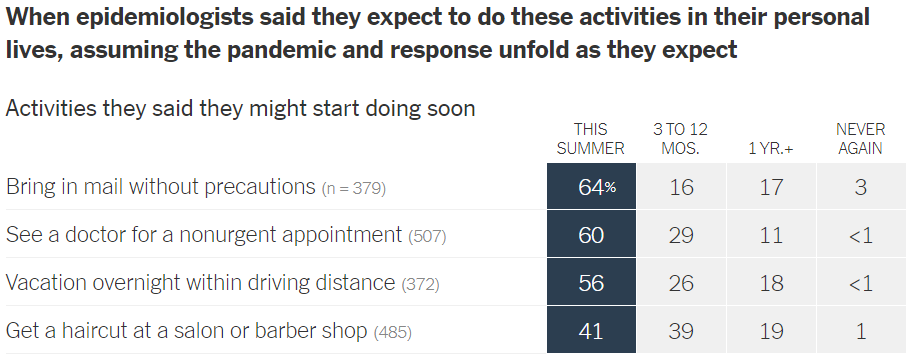
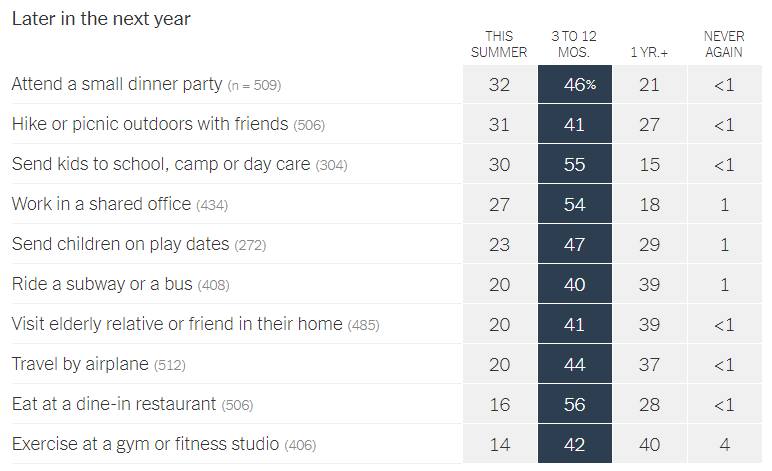
  1. Epidemiologists suggest that the timeline for resuming different activities will be determined by the availability of a vaccine against SARS-CoV-2: In a recent article in the New York Times, 511 epidemiologists were asked to rate how soon they would resume different activities. Below are the results of this opinion Though this data is not meant to serve as guidelines for the general public, it gives us a picture of where expert opinion lies with regard to when to resume normal activities.

Resources and websites:

  1. IASLC’s Guide to COVID-19 and Lung Cancer
  2. The National Cancer Institute has a special website for COVID-19 and emergency preparedness. COVID-19: What People with Cancer Should Know-
  3. We are following updates provided by the World Health Organization (WHO) and the US Centers for Disease Control and Prevention (CDC)
  4. Johns Hopkins COVID-19 Resource Center
  5. Interactive map of US COVID-19 cases by state
  6. The One-Two Punch: Cancer And COVID-19 (an important perspective for cancer patients)
  7. You can find information specific to your state or city or town on your health department’s website: Directory of state department of health websites, Directory of local health department websites
  8. American Medical Association resources for healthcare providers

GO2 Foundation for Lung Cancer (Amy Moore, PhD – amoore@go2foundation.org)
LUNGevity Foundation (Upal Basu Roy, PhD, MPH – ubasuroy@lungevity.org)
Lung Cancer Foundation of America (Kim Norris – KNorris@lcfamerica.org)
Lung Cancer Research Foundation (Cristina Chin, LMSW, MPH – cchin@lcrf.org)
LungCAN (Kimberly Lester – kimberly@lungcan.org)


June 1, 2020 Update to the Joint Statement on #Coronavirus #COVID19 From #LungCancer Advocacy Groups

The post below is shared with permission. It can also be found on the websites of the lung cancer advocacy organizations listed at the end of this blog post.

—————————

This past week marked a grim milestone in the United States, as we officially surpassed 100,000 deaths from COVID-19. Our groups continue to recommend that the lung cancer community adhere to best practices to limit exposure, including wearing masks/face coverings when out in public, frequent handwashing, ongoing social distancing, and limiting non-essential travel.

Normally at this time, representatives from our respective organizations would be in Chicago for the annual American Society of Clinical Oncology (ASCO) meeting, for which over 40,000 oncology professionals gather to share best practices in clinical oncology research and academic and community practice. In light of the ongoing pandemic, ASCO 2020 was held as a virtual conference.

Note: There are many exciting updates and recent FDA drug approvals in the lung cancer space. These are being shared via other channels through our respective organizations and will not be covered here since our goal is to focus exclusively on relevant COVID-19 updates for the lung cancer community.

In this week’s update, we will cover three topics:

  1. COVID-19 presentations from ASCO 2020
  2. Advocacy groups participate in IASLC “Lung Cancer Considered” podcast
  3. Advocacy groups collecting data for AACR COVID-19 and Cancer conference


COVID-19 presentations from ASCO 2020

Previous reports have suggested that lung cancer patients infected with COVID-19 have worse outcomes.  During ASCO 2020, we heard updates from two different registry efforts focused on tracking cancer patient outcomes:

  1. The COVID-19 and Cancer Consortium (CCC19) registry is tracking outcomes across all cancer types. The major finding from this study is that patients with actively progressing cancer were five times more likely to die within 30 days of diagnosis with COVID-19 compared to patients who were in remission or had no evidence of disease. As ASCO President Dr. Howard A. Burris III states, “For people with cancer, the impact of COVID-19 is especially severe, whether they have been exposed to the virus or not. Patients with cancer are typically older adults, often with other underlying conditions, and their immune systems may be suppressed by the cancer, or due to chemotherapy, radiation, or other treatment.” These data are consistent with previous early reports and suggest that patients with active cancer are uniquely vulnerable and face worse outcomes upon infection with the virus that causes COVID-19.
  2. A second registry effort, Thoracic cancERs international coVid 19 cOLlaboraTion (TERAVOLT), is specifically tracking outcomes for lung cancer patients infected with COVID-19. For this study, 400 patients were included in the analysis, the majority of which had stage IV cancer. Among this cohort, 141 patients died from COVID-19, with 334 of the patients requiring hospitalization. Those patients receiving chemotherapy, either alone or in combination, within three months of a diagnosis of COVID-19 fared the worst, with a significantly increased risk of dying (64%) compared to those who did not receive chemotherapy.

Take home message from these studies: COVID-19 presents a unique threat to all cancer patients, especially those with lung cancer. Various international efforts are underway to understand these risks and what it means for patients and their cancer care. As states continue to reopen, it is important not to let your guard down and to maintain all the precautions you have been taking over the past few months. This virus has not gone away and it is important that you and your loved ones take appropriate steps to minimize exposure.


Advocacy groups participate in IASLC “Lung Cancer Considered” podcast

Authors of these weekly updates, including Dr. Jan Baranski, Janet Freeman-Daily, Dr. Amy Moore, and Dr. Upal Basu Roy recently participated in the International Association for the Study of Lung Cancer (IASLC) “Lung Cancer Considered” podcast. They were joined by Jill Feldman, Dr. Alice Berger, Dr. Christine Lovly, and Dr. Brendon Stiles to discuss impacts of COVID-19 on lung cancer research. Despite the obstacles created by the pandemic, lung cancer research marches on and we think you will be encouraged and inspired by the discussion. Listen here.


Advocacy groups collecting data for AACR COVID-19 and Cancer conference

In light of the COVID-19 pandemic and its impact on cancer care, AACR is convening a special conference focused on the presentation of emerging data in basic, clinical, and epidemiologic research related to COVID-19 and cancer. Lung cancer patients are especially vulnerable to developing a serious case of COVID-19. In order to provide the community accurate, up-to-date, and curated scientific information on COVID-19 and cancer, lung cancer patient advocacy groups have come together to support our community through joint advocacy updates.

We need your help and your perspective!
We are inviting you to participate in this 10-minute survey to capture your concerns about COVID-19, and whether you found this collaboration and the updates useful. The survey will close at midnight Pacific Daylight Time, Friday, June 5, 2020 to allow us to prepare abstracts for submission to the AACR “COVID-19 and Cancer” virtual meeting.

You can also copy and paste this link on your web browser to take the survey.
https://www.surveymonkey.com/r/LC_JT_Updates

The data we collect from the survey will also be shared openly across all advocacy groups once the conference is completed. Thank you for your help and for providing us your perspective.


Resources and websites:

  1. IASLC’s Guide to COVID-19 and Lung Cancer
  2. The National Cancer Institute has a special website for COVID-19 and emergency preparedness. COVID-19: What People with Cancer Should Know-
  3. We are following updates provided by the World Health Organization (WHO) and the US Centers for Disease Control and Prevention (CDC)
  4. Johns Hopkins COVID-19 Resource Center
  5. Interactive map of US COVID-19 cases by state
  6. The One-Two Punch: Cancer And COVID-19 (an important perspective for cancer patients)
  7. You can find information specific to your state or city or town on your health department’s website.
    • Directory of state department of health websites
    • Directory of local health department websites
  1. American Medical Association resources for healthcare providers.

What Mt. St Helens Taught Me About Life After a Disaster


Forty years ago today, Mt. St Helens exploded.  I heard and felt the blast at my home 150 miles away in Tacoma. I could see the 15-mile-high cloud of ash from my front yard. I saw the lahar in real time on the evening news as a house rammed into a bridge over the I-5 freeway. I spoke to a friend in Pullman, Washington, as her day turned to night at Washington State University, just days before she graduated.

The true impact of the eruption and the losses were discovered in the following weeks. A vulcanologist tending instruments near the crater had died shortly after warning, “Vancouver, Vancouver, this is it.” Half-buried vehicles were found on the mountainside.  Forests had been flattened, with sturdy fir trees snapped off like toothpicks six feet above the ground. Spirit Lake on the side of the mountain, as well as Spirit Lake Lodge and its caretaker 80-year-old Harry Truman, had vanished. A total of 57 people died. The Toutle River, which flows from glaciers on the mountain, was clogged with mud and logs all the way to the Columbia River, obstructing boats and barges. The I-5 between Seattle and Portland was closed for weeks for cleanup and safety inspections. The entire area looked more barren than a moonscape. The devastation was unimaginable.

Yet, even a few years later, life returned to the mountain. Flowers bloomed.  Animals roamed through the ash. A new Spirit Lake began to form, and frogs that had been buried alive under scalding ash re-emerged, alive and kicking. Communities that had been desolated by the eruption and its aftermath came together, supported each other, and received assistance from neighbors outside the blast zone.

That was my first major disaster. It taught me that life goes on, nature finds a way, and silver linings can be found. I have some beautiful pieces of art created from Mt St Helens ash–they are unique reminders that the world does not end because major change occurs. The poster above hangs on my wall to commemorate.

Since then, I have coped with various disasters–parents stricken by dementia, a metastatic lung cancer diagnosis, and now COVID-19. Each of these rocked my world. But life goes on, and even in disaster, beauty can be found. We must be willing to adapt, to care for one another, to find a way.

When life kicks your ash, make beauty.

May 4, 2020 Update to the Joint Statement on #Coronavirus #COVID19 From #LungCancer Advocacy Groups

The post below is shared with permission. It can also be found on the websites of the lung cancer advocacy organizations listed at the end of this blog post.

—————————

The authors of this weekly advocacy update are all scientists (nerds) and so before we get to this week’s update, indulge a little humor: “May the Fourth be with you!” Now back to our regularly scheduled programming.


As of May 2, 2020, the Centers for Disease Control and Prevention (CDC) reports 1,062,446 cases of COVID-19 and 62,406 COVID-19-associated deaths. Many states are beginning to loosen restrictions and reopen certain businesses.  It is worth noting that in Georgia, the first state to reopen, the shelter in place policy has been extended through June 12, 2020 for the most at-risk populations, including those over age 65, those in nursing homes or long-term care facilities, those with chronic lung disease, moderate to severe asthma, severe heart disease, class III/severe obesity, diabetes, liver disease, chronic kidney disease and undergoing dialysis, as well as those who are immunocompromised.

On Friday, May 1, 2020, the Food and Drug Administration (FDA) granted emergency use authorization for the antiviral drug, remdesivir, for the most severely ill COVID-19 patients. While this is an encouraging development, we must provide a word of caution in that we still do not have effective treatments for broad use by the general public or a vaccine.

In light of the ongoing COVID-19 pandemic, the American Association of Cancer Research (AACR) shifted its annual meeting to a virtual format and broke it into two separate events. The first was held on April 27 -28, 2020. In this week’s update, we will discuss some of the information presented during this meeting and what it means for the cancer community. In particular, we will focus on answering three questions:

  • What are the implications of COVID-19 for my personal cancer treatment?
  • How do I make sense of contradictory COVID-19 information?
  • What are the impacts of COVID-19 on cancer research?


What are the implications of COVID-19 for my personal cancer treatment?

Since we first started providing these updates in early March 2020, there has been growing evidence that lung cancer patients infected with COVID-19 have worse outcomes. During the AACR plenary session on “COVID-19 and Cancer,” an international team led by Dr. Marina Garassino presented early data for TERAVOLT, a global registry collecting characteristics and outcomes of patients with thoracic cancers affected by COVID-19. They reported a disturbingly high mortality rate of 34.6% (66/191) among patients with thoracic cancers.

As research advocates serving the lung cancer community, we recognize that these data are alarming. The immediate implications of these results fall in line with what we have been advising those who fall in high-risk groups, including lung cancer patients: continue to practice social distancing when possible, wear protective face coverings when out in public, wash hands often, and minimize travel to essential needs only (medical appointments, procuring groceries or prescriptions).

Our April 20, 2020 update discussed the increasing role for telehealth in management of patient care and our April 27, 2020 update focused on the guidelines issued by leading medical organizations and societies. Our March 30, 2020 update included impacts on clinical trials – as states begin to reopen, some trial sites are resuming enrollment. Thus, it remains imperative that you talk with your treatment team about your individual treatment plan.

Indeed, as a result of the COVID-19 pandemic, doctors and scientists are reevaluating treatment schedules and the “usual way of doing business.” One example is the recent April 28, 2020 FDA approval for a new dosing regimen for the immunotherapy drug, pembrolizumab. This approval is based on data presented at the 2020 AACR Virtual Meeting.

Dr. Jacob Sands, a leading lung cancer medical oncologist at Dana-Farber Cancer Institute, provides a nice discussion on the importance of individualized lung cancer management in the COVID-19 era here.


How do I make sense of contradictory COVID-19 information?

We recommend that you follow information from trusted and medically vetted websites such as the CDC, the WHO, and the IASLC. Information on how to access these websites are included in the Resources and websites section below.

Our understanding of COVID-19 is evolving rapidly. This means that what was true a month ago may not be true under current circumstances, as doctors and scientists generate more evidence. You might hear contradictory information from different sources or at different times. As an example, the anti-malarial and autoimmune disease drug, hydroxychloroquine, was shown to have positive effect in COVID-19 patients in early studies. However, further study with more patients showed hydroxychloroquine was not as effective as it was initially thought to be, and highlighted the fact that hydroxychloroquine comes with a range of side effects that make it unsuitable for use in patients with heart issues. This is a great example of the scientific method whereby a finding or a hypothesis changes as new information is gathered.

We also caution on how one should interpret information shared across media and press during these times. COVID-19 is a global pandemic and is affecting the oncology community everywhere in the world. Given the urgent global need for information on effective COVID-19 management, healthcare providers are sharing preliminary information as quickly as possible with the goal of learning from each other’s experiences. This means that not all information shared publicly will have the same level of evidence as formal clinical trials. The information is important and valuable, but it is not yet validated in large groups of patients.

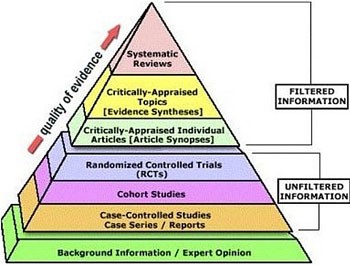
When judging what you read from publicly available sources, we suggest you use the Evidence-Based Medicine (EBM) Pyramid as a guiding framework.

EBM Pyramid and EBM Page Generator, copyright 2006 Trustees of Dartmouth College and Yale University. All Rights Reserved. Produced by Jan Glover, David Izzo, Karen Odato and Lei Wang.

Higher quality of evidence takes longer to get published to allow for collecting larger amounts of data, statistical analysis, and scientific peer review. Most of the literature currently available on COVID-19 and lung cancer are case reports and studies of a small number of patients in a few institutions.  COVID-19 has not been around long enough to enable large, formal clinical trials about its impact on lung cancer treatment. If you have questions about whether published COVID-19 findings might affect your lung cancer treatment, please discuss your individual situation with your treating physician.


What are the impacts of COVID-19 on the state of academic cancer research?

 Most academic research institutions, including universities and hospitals, have shut down most research labs and closed enrollment in some clinical trials to accommodate government-imposed shelter in place mandates and protect researchers’ lives. Only critical research, such as maintaining cell lines or animal models for preclinical research and some clinical trials with strong evidence of effectiveness, is being allowed to continue. These are institutionally mandated restrictions that have been put into place to protect university staff. Some researchers who are also clinicians have been deployed to assist with COVID-19-related clinical duties. Bench scientists who are not involved with clinical duties have been advised to work from home in activities such as grant and manuscript writing, and data analysis.

Funders of academic lung cancer research in the US such as the National Cancer Institute, the Department of Defense, and private non-profits (e.g.,  LUNGevity Foundation, GO2 Foundation, Lung Cancer Research Foundation, Lung Cancer Foundation of America) have all made concessions to accommodate the needs of the scientific community and best support investigators during this critical time, while trying to minimize any delays in lung cancer research. Concessions include:

  • Extended deadlines for grant applications
  • Allowing the use of grant funds for salaries and stipends even when researchers are not working in the laboratory
  • Flexibility regarding project extensions and accommodating unanticipated costs such as loss of animals and chemicals bought for experiments
  • Allowing grantees more time to report on awards after an award is completed
  • Numerous flexibilities regarding expenditures of funds, such as money already spent in conferences and travels


Resources and websites:

  1. IASLC’s Guide to COVID-19 and Lung Cancer
  2. The National Cancer Institute has a special website for COVID-19 and emergency preparedness. COVID-19: What People with Cancer Should Know-
  3. We are following updates provided by the World Health Organization (WHO) and the US Centers for Disease Control and Prevention (CDC)
  4. Johns Hopkins COVID-19 Resource Center
  5. Interactive map of US COVID-19 cases by state
  6. The One-Two Punch: Cancer And COVID-19 (an important perspective for cancer patients)
  7. You can find information specific to your state or city or town on your health department’s website.
    • Directory of state department of health websites
    • Directory of local health department websites
  1. American Medical Association resources for healthcare providers.

April 27, 2020 Update to the Joint Statement on #Coronavirus #COVID19 From #LungCancer Advocacy Groups

The post below is shared with permission. It can also be found on the websites of the lung cancer advocacy organizations listed at the end of this blog post.

—————————

As of April 24, 2020, the Centers for Disease Control and Prevention (CDC) reports 895,766 cases of COVID-19 and 50,439 COVID-19-associated deaths. As the number of cases continue to rise, the importance of maintaining social distancing and following shelter in place/quarantine orders is central to flattening the COVID-19 curve.

In this week’s update, we address how different professional societies/organizations are addressing lung cancer screening and treatment during the COVID-19 pandemic. As described in the National Academy Press, the mission of the professional societies is primarily educational and informational. Their influence flows from their continuing and highly visible functions: to publish professional journals, to develop professional excellence, to raise public awareness, and to make awards. Through their work, they help to define and set standards for their professional fields and to promote high standards of quality through awards and other forms of recognition.

In this week’s update, we provide you with a brief summary of what different professional societies are saying about COVID-19 and lung cancer treatment. These consensus statements are a testament to the way the global oncology community is working together to ensure that lung cancer patients continue to get the best care possible. The following have been included in today’s update based on availability of information.

CHEST – American College of Chest Physicians
ASCO – American Society of Clinical Oncology
ESMO – European Society for Medical Oncology
ATS – American Thoracic Society
NCCN -National Comprehensive Cancer Network
ASTRO – American Society for Radiation Oncology
ESTRO – European Society for Radiotherapy & Oncology


Question 1: How are doctors managing lung cancer screening during COVID-19?

The recent consensus statement from CHEST states that it is appropriate to defer enrollment in lung cancer screening and modify the evaluation of lung nodules due to the added risks from potential exposure to SARS-CoV-2 and the need for resource reallocation.

This means that for individuals who have not yet initiated screening, they should wait to be screened.

In those individuals where nodules are detected through a low-dose CT (LDCT) scan, the consensus statement suggests follow-up and nodule management should depend on the size of the nodule, availability of local facilities, prevalence of COVID-19 in the region, and patient-specific factors (presence of other serious health issues such as diabetes and heart disease.


Question 2: What factors are organizations/societies taking into account when deciding how to treat lung cancer patients?

According to Schrag and colleagues, oncology care generally falls into four categories.

  1. Care that is not time sensitive, can be delivered remotely, or both.
    This includes survivorship and surveillance visits for patients who have completed cancer treatment (for example, a patient who has completed treatment and has no evidence of disease).
  2. Care that cannot be delivered remotely but for which treatment omission or delay has a marginal effect on quality or quantity of life.
    The big question here is: does the risk of COVID-19 exposure outweigh the benefit of the treatment? Examples that fall into this category include:
    • Delaying systemic chemotherapy or reducing the number of cycles of chemotherapy for patients with advanced non-small cell lung cancer
    • Delaying surgery by providing neoadjuvant chemotherapy
    • Reducing the number of radiation therapy visits
  1. Treatment delay will have a moderate but clinically important adverse influence on quality of life or survival.
    This includes using treatments that are less harsh than the original treatments, to minimize hospitalization or manage side effects during the time of COVID-19.
  1. Treatment that has the potential to cure and/or cannot safely be delayed. This includes treatment of small cell lung cancer.

It is important to note that recommendations should be adapted to reflect the status of the patient and available facilities.


Question 3: What are the consensus recommendations for lung cancer surgery?

ATS has proposed the use of a three-phase framework to decide how to proceed with lung surgery. It defines three phases of hospital status based on:

  • the prevalence of COVID-19 patients within the hospital
  • availability of hospital resources, and
  • the rate of change (in terms of increasing prevalence of infections and resource depletion)

Each phase has a compass statement that is meant to give additional direction on how to manage number of lung surgeries, based on perceived risk to patients and hospital staff.

Phase 1 Phase 2 Phase 3
Hospital resources intact (e.g. ICU beds, ventilators, clinicians, Personal Protective Equipment available for all doctors)

COVID-19 trajectory not in rapid escalation phase

Many COVID-19 patients

Resources limited (e.g. ICU beds, ventilators, clinicians, PPE),

COVID trajectory within hospital in rapidly escalating phase

Hospital resources are predominately routed to COVID-19 patients

Resources critically limited/exhausted

Compass statement: Surgery restricted to patients whose survivorship likely to be compromised by surgical delay of 3 months Compass statement: Surgery restricted to patients likely to have survivorship compromised if surgery not performed within next few days Compass statement: Surgery restricted to patients likely to have survivorship compromised if surgery not performed within next few hours

Specific treatment decisions should be made by the patient and their treating physician, keeping in mind the framework discussed in question 2.


Question 4: What are the consensus recommendations for the use of radiation for lung cancer treatment?

The ASTRO-ESTRO consensus statement follows a similar approach to the ATS statement and takes into account the local and regional scenario of the COVID-19 pandemic.

In a risk-mitigation pandemic scenario where radiotherapy resources remain available, efforts should be made not to compromise the prognosis of lung cancer patients and guideline-recommended radiation therapy should be practiced. Postponement or interruption of radiation therapy of COVID-19 positive patients should be considered to avoid exposure of cancer patients and staff to an increased risk of COVID-19 infection.

In a severe pandemic scenario characterized by reduced resources, if patients must be triaged, important factors included potential for cure, relative benefit of radiation, life expectancy, and performance status.

Specific treatment decisions should be made by the patient and their treating physician, keeping in mind the framework discussed in question 2.


Question 5: What are the consensus recommendations from medical oncology associations and professional societies?

The three professional societies/organizations (ASCO, ESMO and NCCN) are aligned in their recommendations for lung cancer patients. All societies note that the risk of COVID-19 must be balanced against the risk to the patient of lung cancer progression, which in most cases still represents the highest risk of mortality in lung cancer patients. Individual clinical judgment is necessary. The recommendations provided by these societies cannot provide absolutes for alternate strategies during the COVID-19 outbreak. Specific treatment decisions should be made by the patient and their treating physician, keeping in mind the framework discussed in question 2. It is important to note that most of these recommendations would not normally be considered standard of care or optimal but are reasonable under these unusual circumstances in which minimizing visits and potential exposure has become a priority.

NCCN further suggests that entry points to the health care system should feature screening of patients and providers (i.e., questionnaire, temperature-based screening, standard and rapid COVID-19 testing). If resources are sufficient, screening of visitors who can accompany patients is reasonable, although many institutions have visitation restrictions to facilitate social distancing.


Question 6: How do these changes in lung cancer care impact shared decision-making?

Shared decision-making is a process in which patients and doctors work together to make decisions and select tests, treatments, and care plans based on clinical evidence that balances risks and expected outcomes with what individual patient value. The consensus statements from all the professional societies urge doctors to have candid discussions with their patients and to take into account patient preferences and values when making decisions for screening and treatment.


Question 7: Should lung cancer treatment be modified if patients also have COVID-19?

 Physicians don’t have much data to help guide treatment decisions for lung cancer patients who also have COVID-19. To gather this data, the global lung cancer community has come together to develop the TERAVOLT registry. The registry is collecting information on patients with thoracic cancer infected with COVID-19 regardless of therapies administered. More than 100 physicians worldwide are participating, and the number is growing. Currently, patients cannot deposit their data into the registry themselves. If you have or had a confirmed case of COVID-19 and would like your data included in the registry, talk to your doctor about joining the TERAVOLT registry.


Resources and websites:

  1. IASLC’s Guide to COVID-19 and Lung Cancer
  2. The National Cancer Institute has a special website for COVID-19 and emergency preparedness. COVID-19: What People with Cancer Should Know-
  3. We are following updates provided by the World Health Organization (WHO) and the US Centers for Disease Control and Prevention (CDC)
  4. Johns Hopkins COVID-19 Resource Center
  5. Interactive map of US COVID-19 cases by state
  6. The One-Two Punch: Cancer And COVID-19 (an important perspective for cancer patients)
  7. You can find information specific to your state or city or town on your health department’s website.
    • Directory of state department of health websites
    • Directory of local health department websites
  1. American Medical Association resources for healthcare providers.


GO2 Foundation for Lung Cancer
(Amy Moore, PhD amoore@go2foundation.org )
LUNGevity Foundation (Upal Basu Roy, PhD, MPH ubasuroy@lungevity.org )
Lung Cancer Foundation of America (Kim Norris KNorris@lcfamerica.org )
Lung Cancer Research Foundation (Jan Baranski, PhD jbaranski@lcrf.org)
LungCAN (Kimberly Lester kimberly@lungcan.org)

April 20, 2020 Update to the Joint Statement on #Coronavirus #COVID19 From #LungCancer Advocacy Groups

The post below is shared with permission. It can also be found on the websites of the lung cancer advocacy organizations listed at the end of this blog post.

—————————

As of April 18, 2020, the Centers for Disease Control and Prevention (CDC) reports 661,712 cases of COVID-19 and 33,049 COVID-19-associated deaths. A recent study conducted by researchers at Stanford University suggests that this number is an underrepresentation of the total number of infected individuals. We must urge caution with interpretation of this study, which is still undergoing peer-review. Some are interpreting the findings to mean we should accelerate loosening of social distancing policies across the country. However, researchers still do not know if the presence of antibodies confers protection or how long such immunity might last. Further, in the absence of any effective therapeutics or a vaccine, local flare-ups are still a risk, as has been witnessed in other countries. Social distancing is working and should be maintained for now.

In this week’s update, we address the following important topics:

Role of telehealth in the era of COVID-19

    1. What is telehealth?
    2. How is the use of telehealth changing during the COVID-19 pandemic?
    3. What are some of the barriers to broad uptake of telehealth during the current crisis?
    4. How do I know if I am eligible to obtain telehealth services?

Impact of COVID-19 on lung cancer clinical trials

    1. How is the FDA allowing the use of telehealth for lung cancer clinical trials?
    2. If a patient is receiving their drug through a pharmacy at the clinical trial site, can they now receive the drug through home delivery without having to change the protocol?
    3. If a patient is receiving a drug given through infusion, can they now receive the clinical trial treatment through home infusion?


ROLE OF TELEHEALTH IN THE ERA OF COVID-19

  1. What is telehealth?

 The terms “telehealth” and “telemedicine” are used interchangeably to describe using telecommunications technologies to deliver health care. It includes a variety of services that deliver health care, public health, and health education, and ranges from methods as simple as telephone calls and email to live video, mobile apps, remote patient monitoring and uploading scan images. The Center for Connected Health Policy (CCHP) provides an excellent overview of telehealth here.

  1. How is the use of telehealth changing during the COVID-19 pandemic?

 In light of the COVID-19 pandemic, federal and state policies are rapidly adapting to allow for greater utilization of telehealth services. The Centers for Medicare & Medicaid Services (CMS) have created some useful fact sheets highlighting various policy changes, including this one summarizing Medicare telemedicine services and this one addressing sweeping regulatory changes to meet patients’ needs during this time. Private health insurance companies are also modifying their policies to enable greater use of telehealth.

CCHP is maintaining an updated list of COVID-19 telehealth coverage policies.

  1. What are some of the barriers to broad uptake of telehealth during the current crisis?

 The challenge with adapting telehealth policies in real-time to address an unfolding and unprecedented public health crisis is that, in a pre-COVID-19 world, federal and state policies varied widely in how telehealth services were provided and covered.

Most of the current challenges relate to regulatory and reimbursement issues, including licensure requirements. Even as the popularity of telehealth among patients grows, private healthcare payers have been slow to embrace the technology. The Federation of State Medical Boards is maintaining an updated list of states currently waiving telehealth licensure requirements.

The “digital divide” is also a barrier to accessing telehealth. Patients who are elderly, in areas with poor Internet or cellular coverage, or economically disadvantaged, may not be able to access the technology necessary to telehealth.

  1. How do I know if I am eligible to obtain telehealth services? What can I do to ensure broader access?

 Again, laws vary by state regarding how telehealth is being implemented and what health insurance companies and providers can do. Review your health insurance plan benefits and policies frequently to learn how they may be changing. This CCHP list of COVID-19 state actions may also be helpful.

CCHP also monitors state and federal telehealth legislation to provide a clear overview of policy across the nation. As a citizen, you can monitor legislation that has been introduced in your state and testify to show your support or opposition. You can call your legislators to ensure your needs are being heard.

For a great overview and more in-depth discussion on all of these points on telehealth, please check out GO2 Foundation for Lung Cancer’s Rapid Response Living Room from April 14, 2020, featuring Dr. Joelle Fathi.


IMPACT OF COVID-19 ON LUNG CANCER CLINICAL TRIALS

The United States Food and Drug Administration(FDA) has issued guidance to clinical trial sponsors (pharmaceutical companies and government agencies), institutional review boards (IRBs), and researchers on how to adapt lung cancer clinical trials in the era of COVID-19. The FDA emphasizes that patients’ safety should be at the forefront of considerations at all times. Below, we answer three important questions for patients (and their caregivers).

  1. How is the FDA allowing the use of telehealth for lung cancer clinical trials?

The FDA allows for changes to be made to the clinical trial protocol without prior FDA review or approval if the change is intended to protect the life and well-being of the patient. Therefore, changes in protocol conduct necessary to immediately assure patient safety, such as use of telehealth for safety monitoring instead of on-site visits, can be immediately implemented once the new protocol has been approved by an IRB. The FDA can then be subsequently notified. It is important to note that the consult is just one part of patient safety monitoring. The patient’s clinical trial team and the clinical trial sponsor will also need to have a clear plan in place to ensure that patient safety is prioritized in case routine monitoring such as blood tests and heart function exams are unable to be conducted.

  1. If a patient is receiving their drug through a pharmacy at the clinical trial site, can they now receive the drug through home delivery?

 The FDA understands that there may be a risk of exposure to SARS-CoV-2 when a patient visits a clinical trial site. In case a patient is receiving their drug (such as a targeted therapy pill) through their clinical trial site pharmacy, the clinical trial sponsor now has the option of directly mailing the drug to the patient’s home as long as the following conditions are met:

    • The patient already takes the pill at home as part of the trial protocol
    • The shipment of the drug to the patient’s home does not affect the chemical nature of the drug
    • The sponsor keeps a clear track of number of pills shipped to the patient’s home and is able to share this information with the FDA when asked
  1. If a patient is receiving a drug given through infusion, can they now receive the clinical trial treatment through home infusion?

This is an extremely important question for the lung cancer community — where clinical trials often require an infusion of a chemotherapy, an immunotherapy, an angiogenesis inhibitor, or a combination of the above.

The FDA understands and appreciates that a patient may be exposed to SARS-CoV-2 when they travel to their routine clinical trial infusion center. Therefore, the FDA is open to alternative sites for administration (e.g., home nursing or alternative sites closer to a patient’s home where the infusion is given by trained medical personnel who are not part of the study team). The ultimate decision to allow this switch to home infusion or local infusion is based on the following criteria:

    • The shipment of the drug to the local infusion center or to the patient’s home does not affect the chemical nature of the drug
    • The sponsor keeps a clear track of the amount of shipped to the patient’s home and is able to share this information with the FDA when asked

Another option is delaying or discontinuing infusion for a period of time while the patient continues to be on the study. This decision needs to be made jointly by the clinical trial team and the patient.

Note: The ultimate decision on whether to allow a home infusion or local infusion is highly dependent on the drug being tested. Some infusions cannot be given at a local infusion center or through home infusion. Examples include drugs that require ability to manage potential infusion reactions with specific medication, or treatments such as gene therapy or cell therapy that require exacting handling procedures and patient monitoring.

LUNGevity Foundation recently conducted an Oncology Center of Excellence (OCE) listening session with FDA leadership and lung cancer patients. Stay tuned for the recorded webinar that can be accessed here.


RESOURCES AND WEBSITES:

  1. IASLC’s Guide to COVID-19 and Lung Cancer
  2. The National Cancer Institute has a special website for COVID-19 and emergency preparedness. COVID-19: What People with Cancer Should Know-
  3. We are following updates provided by the World Health Organization (WHO) and the US Centers for Disease Control and Prevention (CDC)
  4. Johns Hopkins COVID-19 Resource Center
  5. Interactive map of US COVID-19 cases by state
  6. The One-Two Punch: Cancer And COVID-19 (an important perspective for cancer patients)
  7. You can find information specific to your state or city or town on your health department’s website.
    • Directory of state department of health websites
    • Directory of local health department websites
  1. American Medical Association resources for healthcare providers.
  2. If you cannot avoid air travel, check out “Dirtiest Places on Airplanes: How to Avoid Germs


GO2 Foundation for Lung Cancer
(Amy Moore, PhD amoore@go2foundation.org )
LUNGevity Foundation (Upal Basu Roy, PhD, MPH ubasuroy@lungevity.org )
Lung Cancer Foundation of America (Kim Norris KNorris@lcfamerica.org )
Lung Cancer Research Foundation (Jan Baranski, PhD jbaranski@lcrf.org)
LungCAN (Kimberly Lester kimberly@lungcan.org)